The Compass Bends: Updating Doctrine Without Breaking Alignment
The Compass Bends: Updating Doctrine Without Breaking Alignment Every living doctrine faces the same crisis: the moment it stops bending, it breaks. Not because the doctrine was wrong, but because…


S11.03 Category Cleanup: Collapse 19 Labels to ≤8 Discriminative Terms
# Category Cleanup: Collapse 19 Labels to ≤8 Discriminative Terms A taxonomy that covers 97% of your content with one label is not a taxonomy. It is noise with a…
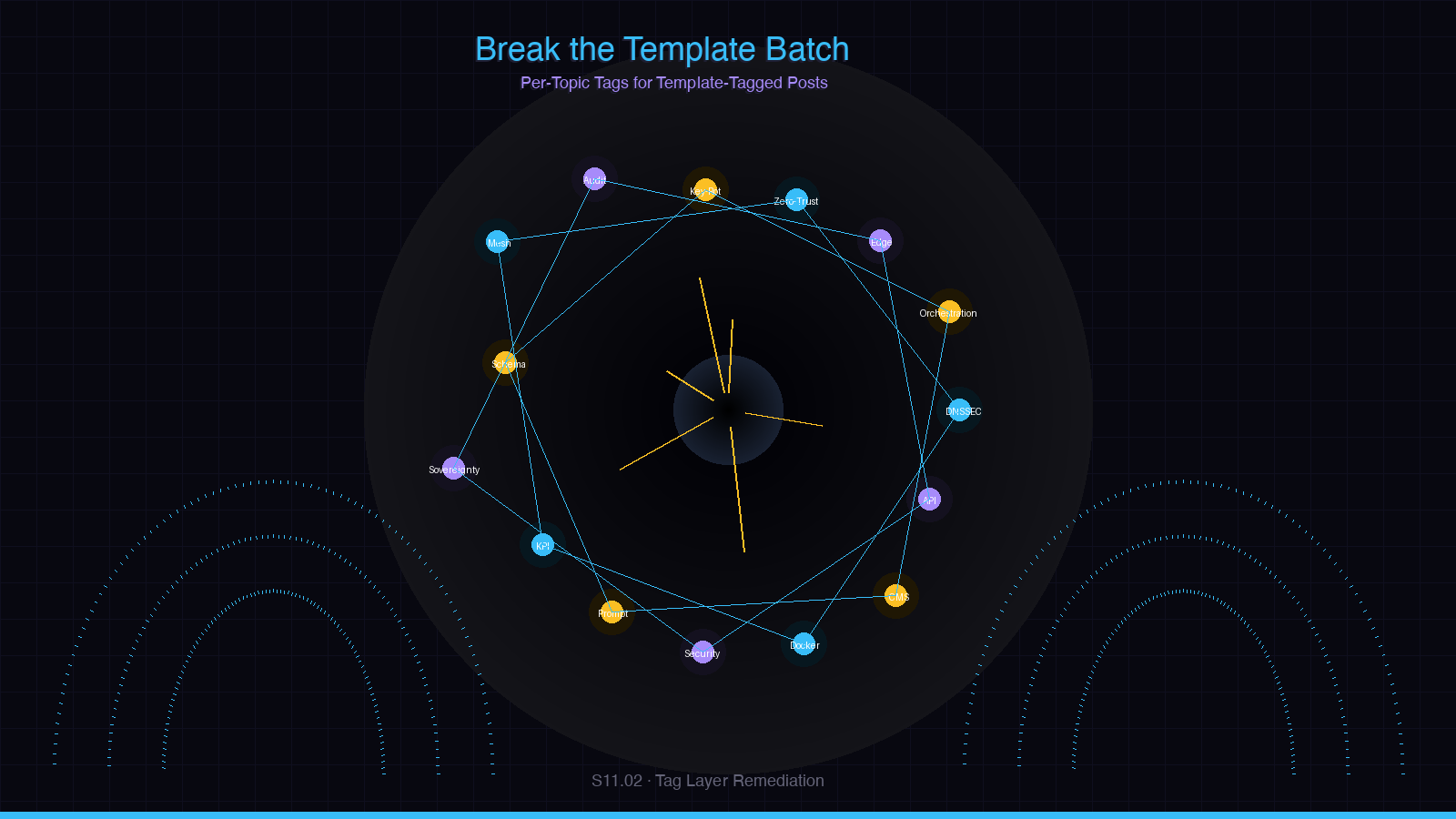
Break the Template Batch: Per-Topic Tags for Template-Tagged Posts
Break the Template Batch: Per-Topic Tags for Template-Tagged Posts Fifty-four posts wear the same face. They were published in a single batch, and every one of them received the same…

Infographics at Scale: 21 Layouts × 21 Styles
Infographics at Scale: 21 Layouts × 21 Styles An infographic is a compression format. It takes information that would take paragraphs to explain and renders it as a visual structure…
AI Animation Factory: The Studio’s Animation Service
AI Animation Factory: The Studio's Animation Service Most animation pipelines are built for humans to operate. A designer opens After Effects, keyframes a motion path, renders a preview, waits, adjusts,…

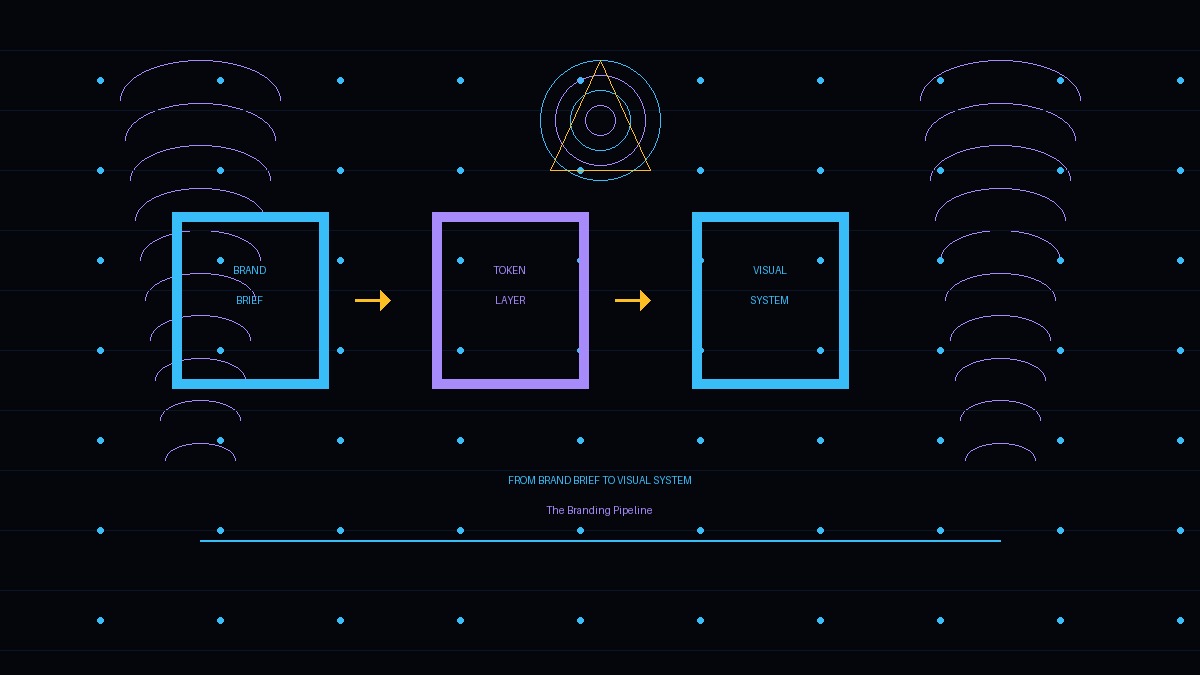
From Brand Brief to Visual System: The Branding Pipeline
From Brand Brief to Visual System: The Branding Pipeline S9.03 · series: CONTENT-ROADMAP-99 S9 (Media & Creative Pipeline) · status: DRAFT · grounding: wiki branding-pipeline · creative-prompt-engineering · design-systems ·…
KOT-Scored Edges: How We Grade Simulated Outcomes
KOT-Scored Edges: How We Grade Simulated Outcomes Every simulation generates noise. The question is not whether the engine produces numbers — it always does — but whether those numbers mean…
The Dashboard Feedback Loop: What We Watch and Why
--- type: article name: article-s8-06 created: 2026-08-11 updated: 2026-08-11 status: drafted series: "S8 (Simulation → Live)" series_number: 6 series_name: "Simulation → Live" track: cl-series-s8-gaps principles: category: AI & Automation tags:…
AI Employees vs AI Toys: What Production Looks Like
AI Employees vs AI Toys: What Production Looks Like Every AI demo looks impressive for thirty seconds. A chatbot answers a question. A wrapper calls an API and formats the…
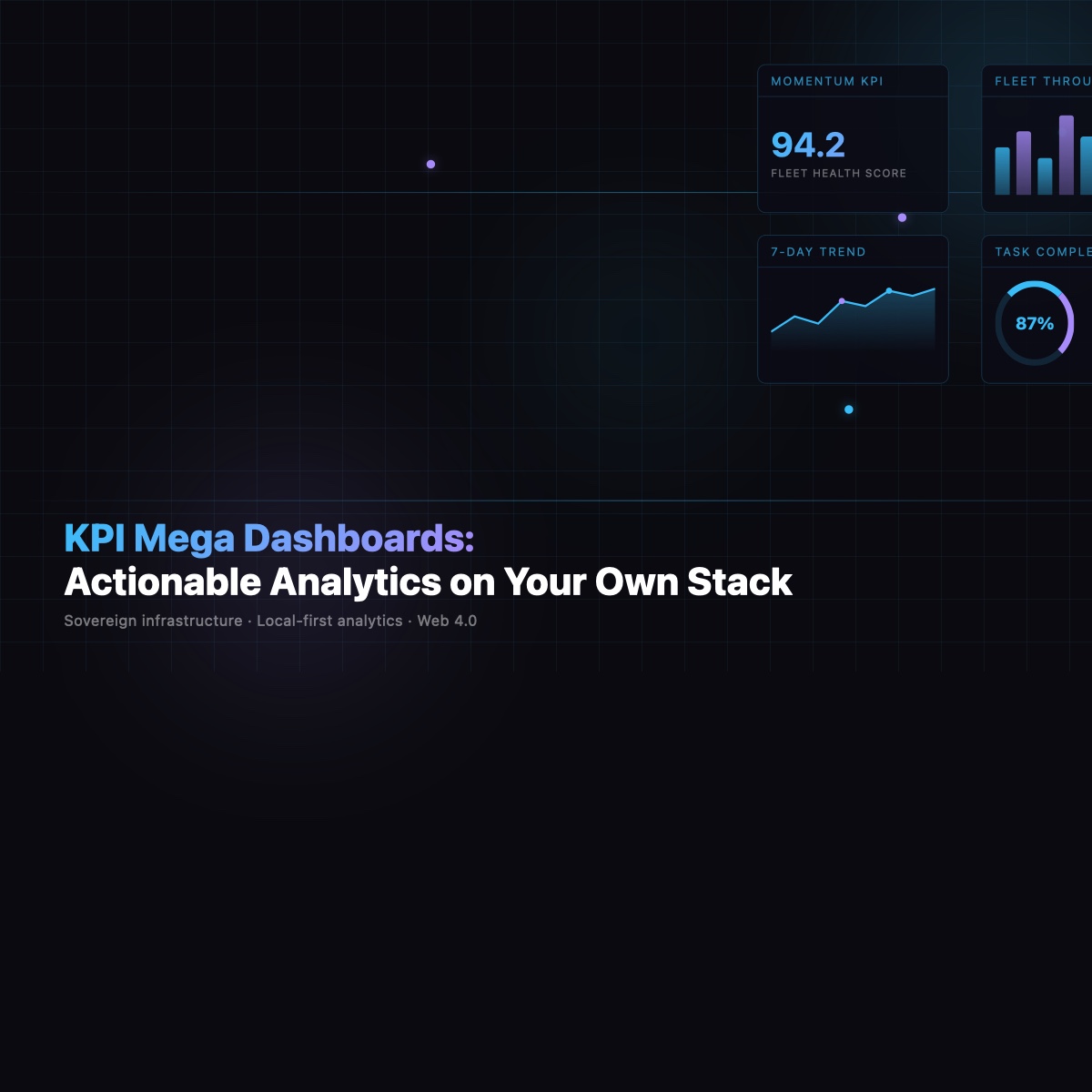
KPI Mega Dashboards: Actionable Analytics on Your Own Stack
KPI Mega Dashboards: Actionable Analytics on Your Own Stack Every SaaS dashboard you have ever used was built to sell you something. Not to inform you — to sell you…
The Oracle: Meta-Review and Ascension as a Process
Most “AI governance” writing imagines a string of rules bolted onto a prompt. A constitution as a paragraph. A “safety system” as a few banned instructions. It treats oversight as…
Competitive Sensing on the Sovereign Stack
Competitive sensing on the sovereign stack The S10 series built the research engine: arXiv pipelines that scan, read, and synthesize; citation chains that hop from source to post; standing research…
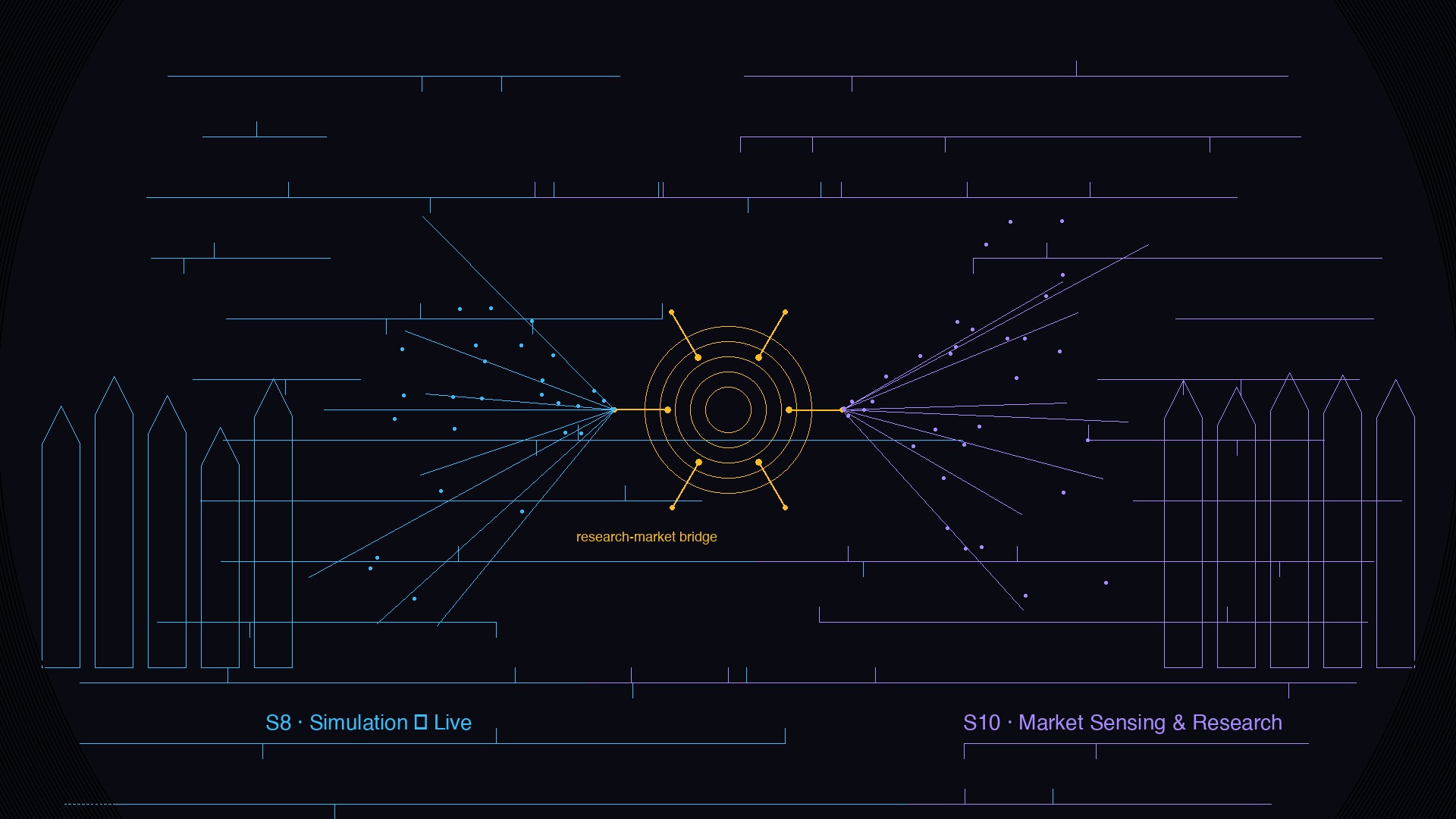
When Simulation Meets the Market: The Research-Market Bridge Between Testing and Sensing
When Simulation Meets the Market The S8 series built the simulation layer: content pipelines that paper-trade real rules with synthetic capital, dashboards that loop feedback into the next run, and…
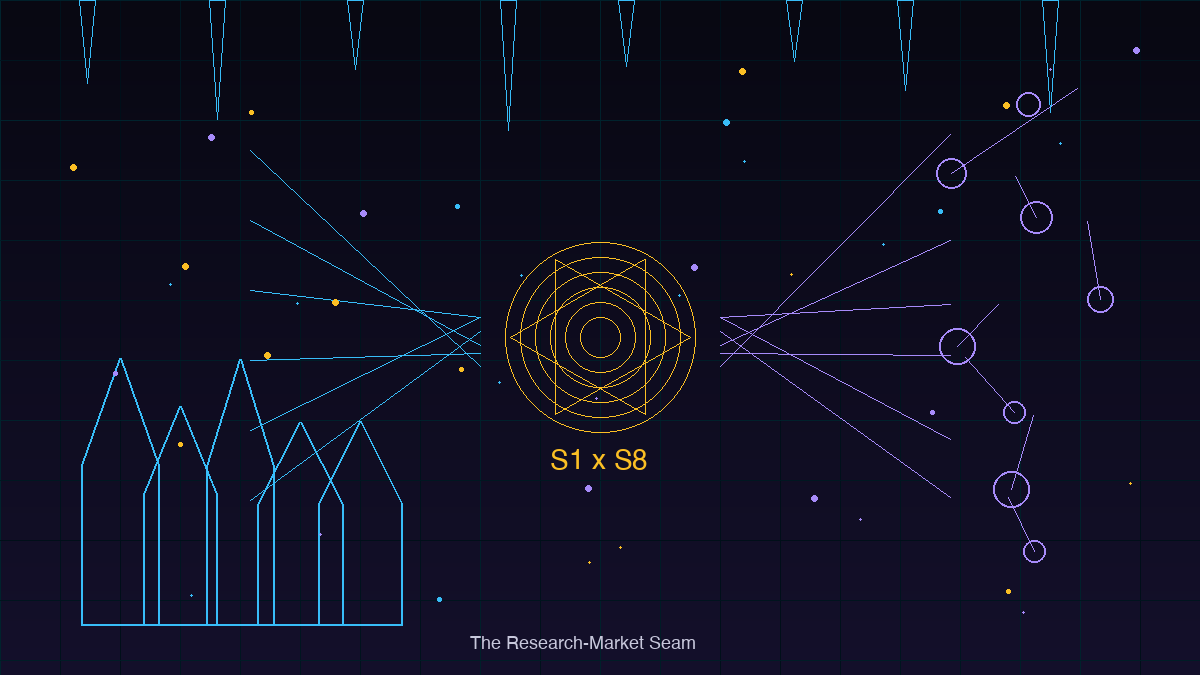
The Research-Market Seam: Where Agent Meshes Meet Simulation Pipelines
There is a seam in most AI systems that nobody talks about. On one side sits the research engine — the part that reads, synthesises, and decides what is true.…
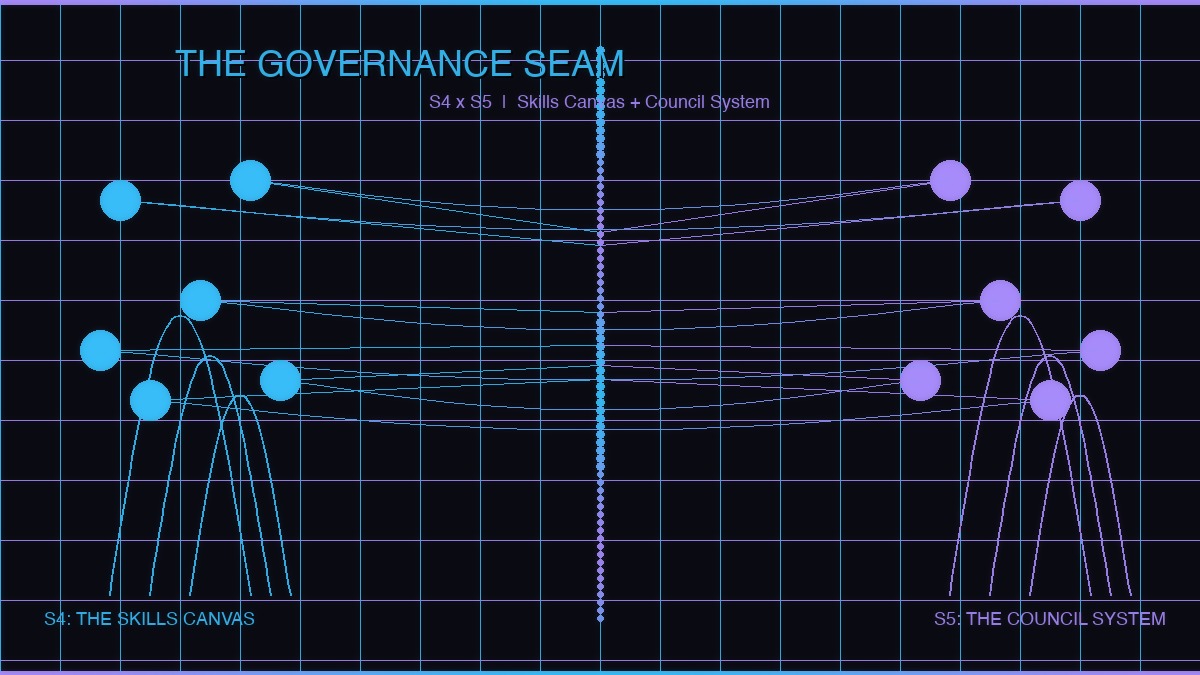
The Pricing-Security Seam: Where Revenue Architecture Meets Trust Boundary
The Pricing-Security Seam: Where Revenue Architecture Meets Trust Boundary The S2 series described governance as the discipline that keeps agent fleets aligned with doctrine — constitutional rules, kill semantics, credit…
When the Mesh Loads a Skill: Where Process Architecture Meets Procedural Memory
When the Mesh Loads a Skill: Where Process Architecture Meets Procedural Memory The S1 series built the mesh: an Erlang-inspired actor system where each agent is a supervised process, each…