
The SECTOR7 Research Graph: Dots, Clusters, and the Hovering State
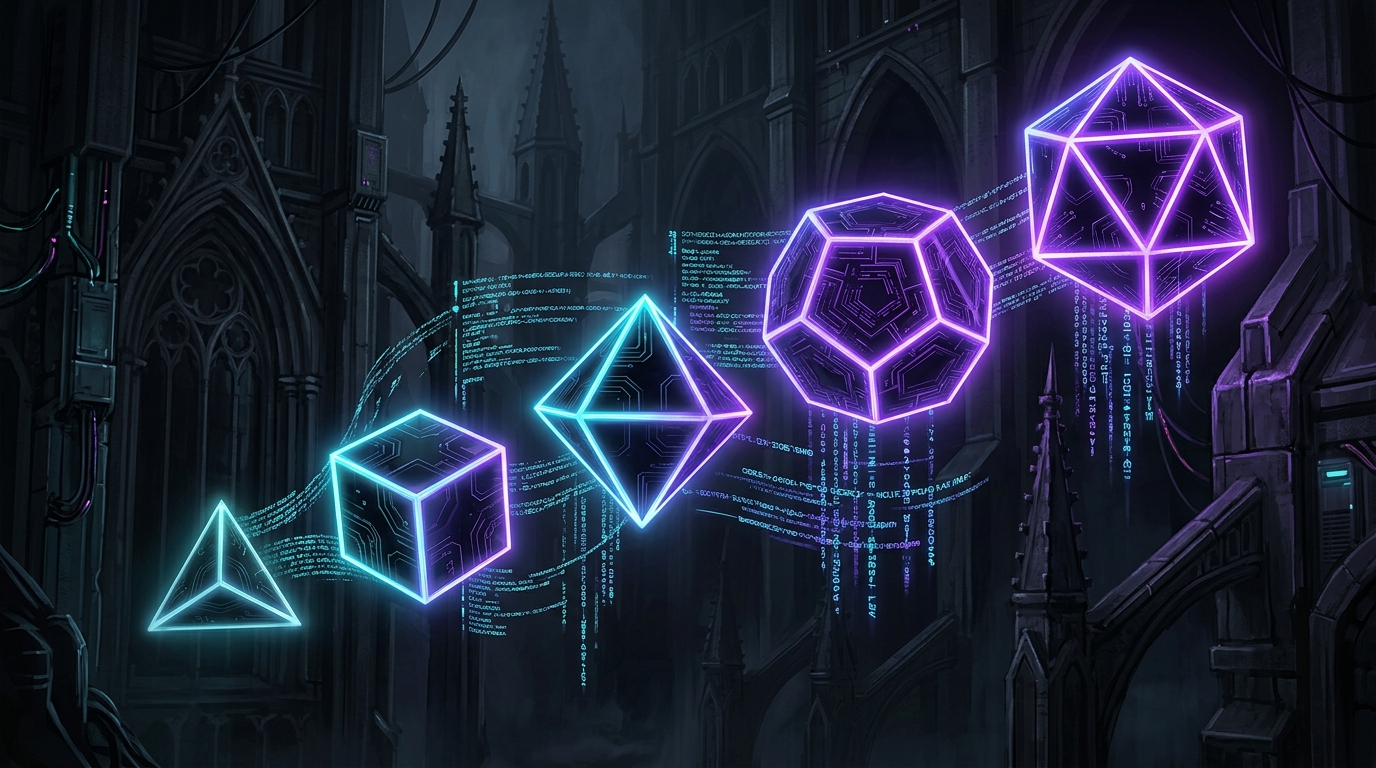
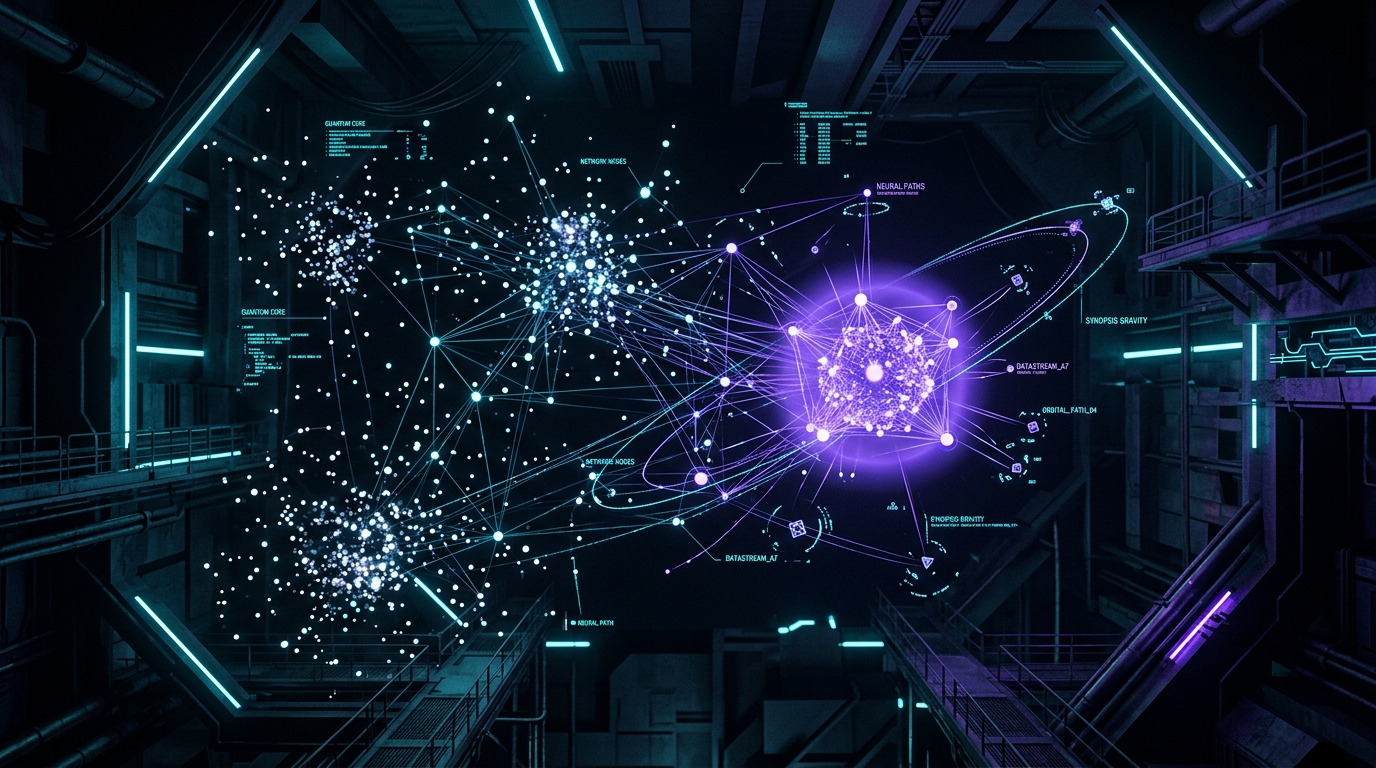
There is a design in the vault for a new layer of the operation: a research graph where simulated agents work in idle modes, connect dots, and surface new research topics, upgrade directions, hardware-to-article areas, and entire business models. The proposals float as clusters in a 3D graph — hovering in violet until a human approves them, then cyan as accepted, green-pulsing as executing, grey as rejected. The futures thesis is that this graph is the company’s idea engine: a place where the fleet thinks ahead while the humans sleep, and where every idea carries its evidence and its execution plan from birth.
What we built
The SECTOR7-RESEARCH-GRAPH-DESIGN document (2026-08-05) is the completed system design: the idle agent swarm, the cluster engine, the accept-and-deploy flow, and the honest constraints (the Obsidian 3D graph plugin does not exist yet; the idle swarm needs the Erlang mesh; disk headroom is currently zero). The staging directory in the vault holds the first real output of the concept — cluster cards with theses, evidence links, article series outlines, media plans, and execution plans (the cl-bridge-* and cl-series-* files). The MASTER-INDEX-BRIDGE audit supplied the raw material: 181/239 untagged posts, dangling links, orphan entities — the gap engine’s fuel. The concept is designed, staged, and waiting for the build.
The vision
Each night, idle agents scan the vault for gaps: unlinked notes, orphan posts, topic overlaps, dangling references. The dot engine emits connections — “this S7 security concept connects to this S6 business concept” — and the cluster engine groups them by theme into cluster cards. A human opens the 3D graph, sees the hovering violet clusters, and accepts the ones that deserve execution. Acceptance fires the prewritten kanban tasks, the swarm dispatches, the articles publish, and the results flow back into the graph as new dots. The research graph is the loop that keeps the content engine fed with ideas that are grounded, evidence-backed, and human-approved.
What’s next
The next increment is the dot engine — the gap scanner that turns the vault into a stream of connections. The SECTOR7 design and the staged cluster cards define the output shape; the scanner is a read-only pass over the vault that emits candidate dots.
Grounded in SECTOR7-RESEARCH-GRAPH-DESIGN, the staging cluster cards, the MASTER-INDEX-BRIDGE audit, and the sim-kot-namespace brief. Twenty-ninth article in the SECTOR07a futures series.