
The Migration Service, Worked: Moving Clients From Cloud Rent to Ownership
The migration service (S6.11) was the article; this is the worked example. The sovereign-stack promise is that customers can leave cloud rent and own their stack — and the migration service is the moving company that makes the promise real. The engagement is the operational core of the rent-to-own model (EX-1): the day the customer receives their keys.
The migration phases
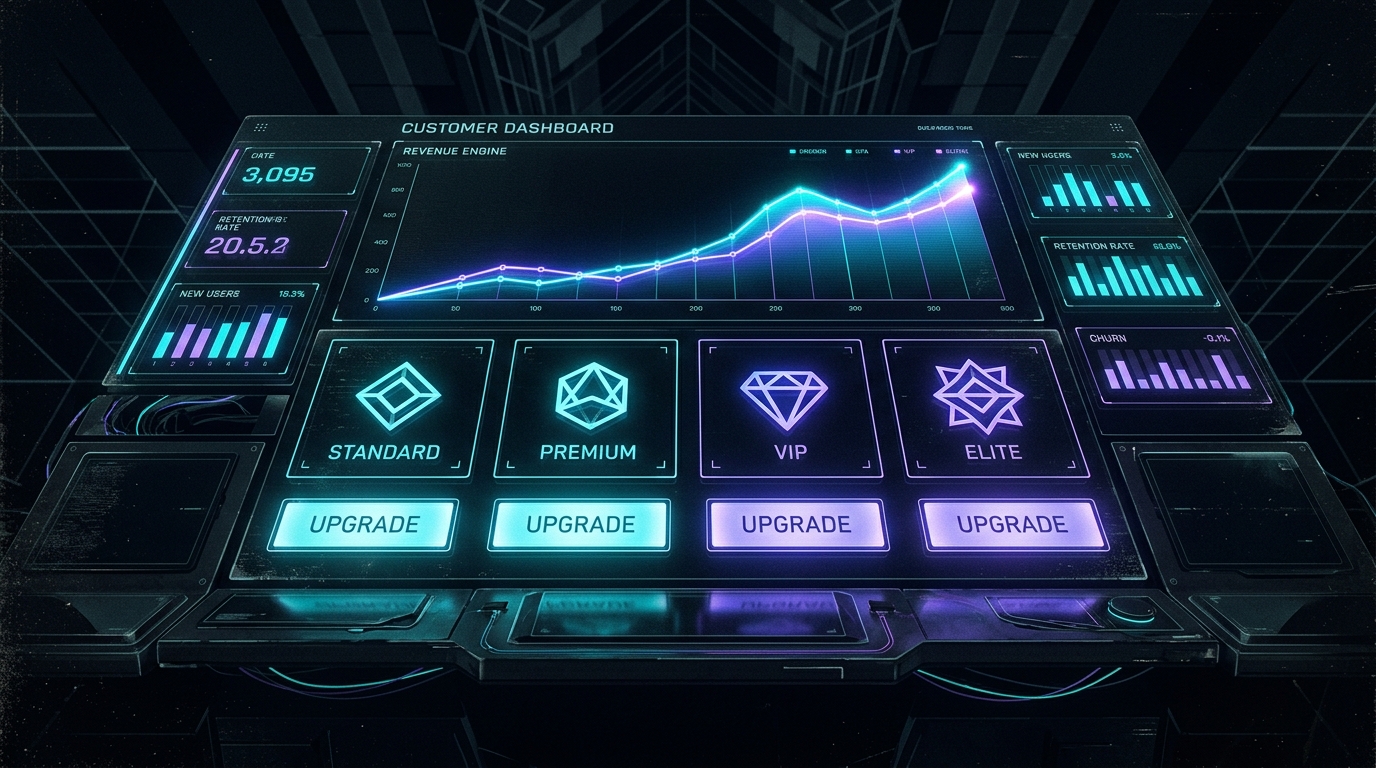
Phase one, audit: the client’s current stack is mapped — data, workloads, dependencies, costs (the same discipline as the ecosystem audit). Phase two, target: the sovereign stack is provisioned for the client — the dashboard (EX-3), the tiers (S6.8), the meters (S6.12) — with the migration path documented. Phase three, move: data is exported, workloads are re-homed, and the client’s operations are stood up on the new stack, using the runbooks (OP-1) and the restore-first discipline (OP-9) as the safety net. Phase four, verify: the client’s operations are tested against their old metrics — the migration is only complete when the new stack beats the old one on the client’s own yardstick.
Why the move is a jailbreak, not a transplant
The migration service is the antidote to lock-in: it exists to give the client the option to own. The offer is credible because the stack is designed for portability — the data exports, the configuration as code, the backup cadence (OP-9) that guarantees nothing is lost in transit. The migration service is the moving day for the rent-to-own journey (EX-1): the moment the customer stops renting and starts owning, and the provider converts a tenant into a reference (EX-13).
The economics of the move
The migration is priced as a project with a fixed quote (S6.4), because it is a defined scope with a defined end; the value is the client’s future freedom. The migration’s real revenue is downstream: the client who owns their stack still needs the retained services (EX-9, EX-12) — the skills, the monitoring, the updates — so the migration converts a tenant into a long-term service client. The worked example shows the migration service is not the end of the relationship; it is the beginning of the ownership one.
Grounded in the EX worked-example series, the S6.11 migration article, the EX-1 rent-to-own example, the OP-9 backup article, and the S6.4 service-catalog article. Eighth article in the Round D examples track.