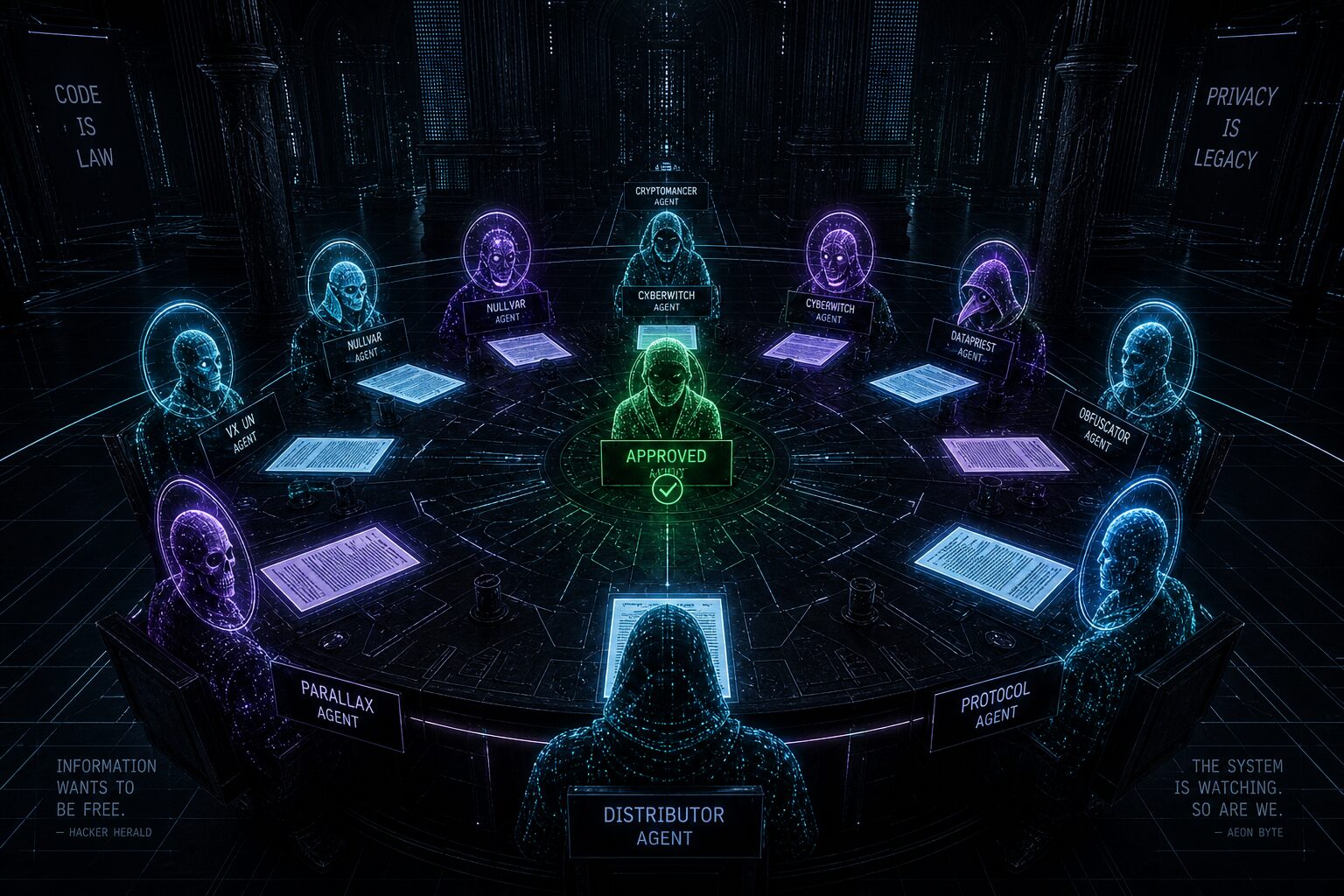

The Autonomous Editorial Board: Agents That Decide What to Publish
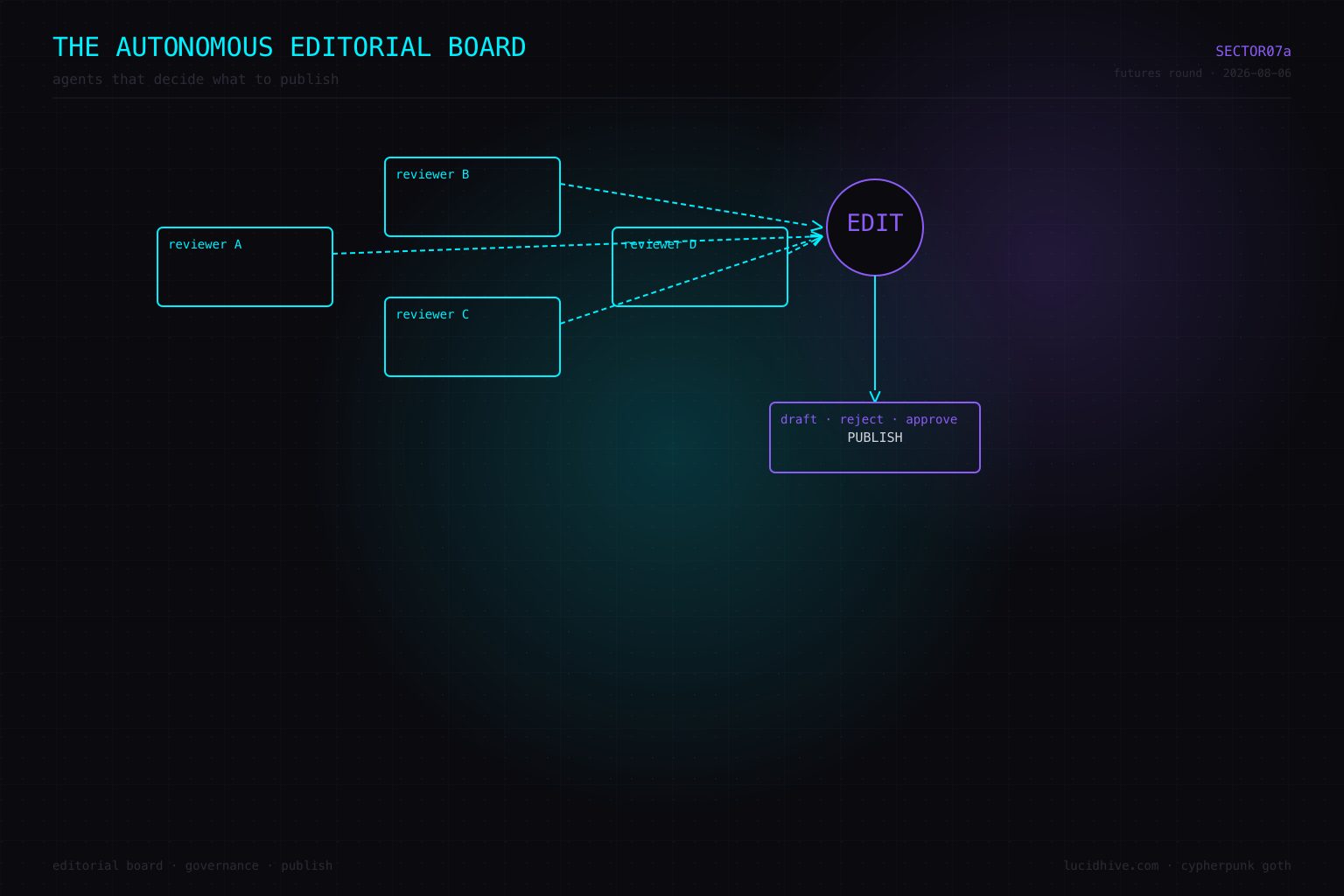
An editorial board is a group of people who decide what gets published and why. The futures thesis is that the board can be an agent system — a supervised set of actors that triage ideas, check grounding, verify sources, tag taxonomy, and route articles to publish, with humans reserved for the exceptions that the agents flag. This is not about removing editorial judgment. It is about making editorial judgment cheap enough to apply to every piece of a thousand-post corpus, instead of only to the handful a human editor can review.
What we built
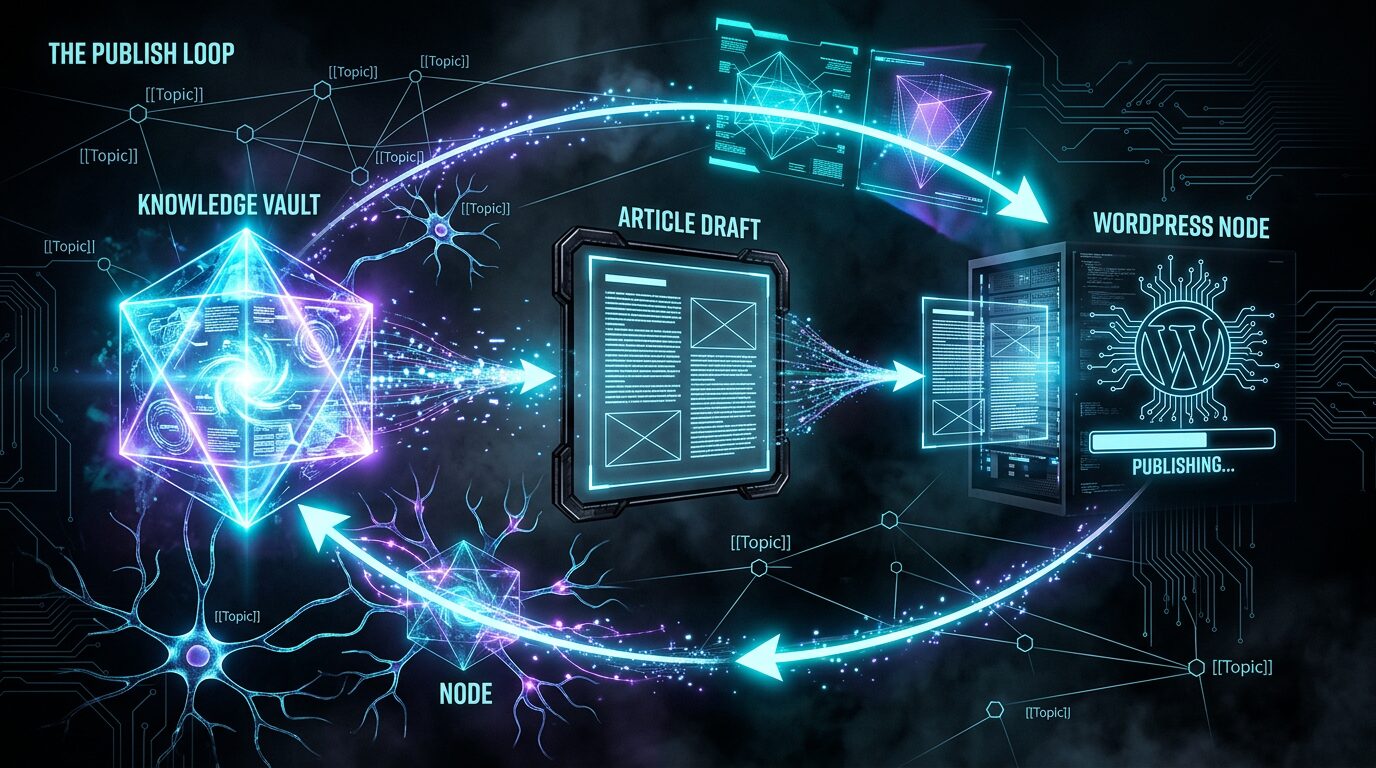
The pieces of the autonomous board already exist and are documented in the vault. The IDEAS-BACKLOG is the intake and triage node. The grounded-citations skill (S10.4) separates authority from vibes — the grounding check. The publish loop (S3.7) turns knowledge into posts. The S10.9 article documented how research becomes roadmap through the Council’s decision funnel. The kanban-orchestrator and the Council hierarchy (S5 series) provide the routing. What is missing is the explicit board role: an agent (or actor) whose job is editorial judgment — accept, reject, revise — applied before publish.
The vision
The autonomous board runs as a set of actors in the mesh. The intake actor watches the IDEAS-BACKLOG and the SECTOR7 dot engine. The grounding actor verifies claims against sources using the grounded-citations skill. The taxonomy actor checks that every post has ≥1 category and ≥3 real tags — the MASTER-INDEX-BRIDGE rule. The editor actor makes the final call: publish, revise (with a comment), or reject (with a reason recorded in the graph). Every decision is logged, so the board’s editorial policy is auditable — the graph can answer “why was this published?” for any post.
What’s next
The next increment is a decision template: the fields an editor actor must fill to publish, revise, or reject (grounding check, source count, tag compliance, risk note). When the template exists, the editor actor is a small supervised task — and the board is one cron job away from autonomy.
Grounded in the IDEAS-BACKLOG, S3.7 publish loop, S10.4 grounded citations, S10.9 decision funnel, and the MASTER-INDEX-BRIDGE tag rules. Seventeenth article in the SECTOR07a futures series.