Simulation as Business-Model Testing: Pricing in a Sandbox
The most expensive question in any sovereign business is “will this price work?” — and it is the question most organizations answer with a guess. Simulation offers a third path between guessing and spending: build the market in the sandbox, populate it with agent-buyers and agent-vendors, and observe what the model does under pressure before a single real invoice is sent. Pricing in a sandbox is not a toy; it is the highest-leverage use of the simulation layer.
What a pricing simulation actually models
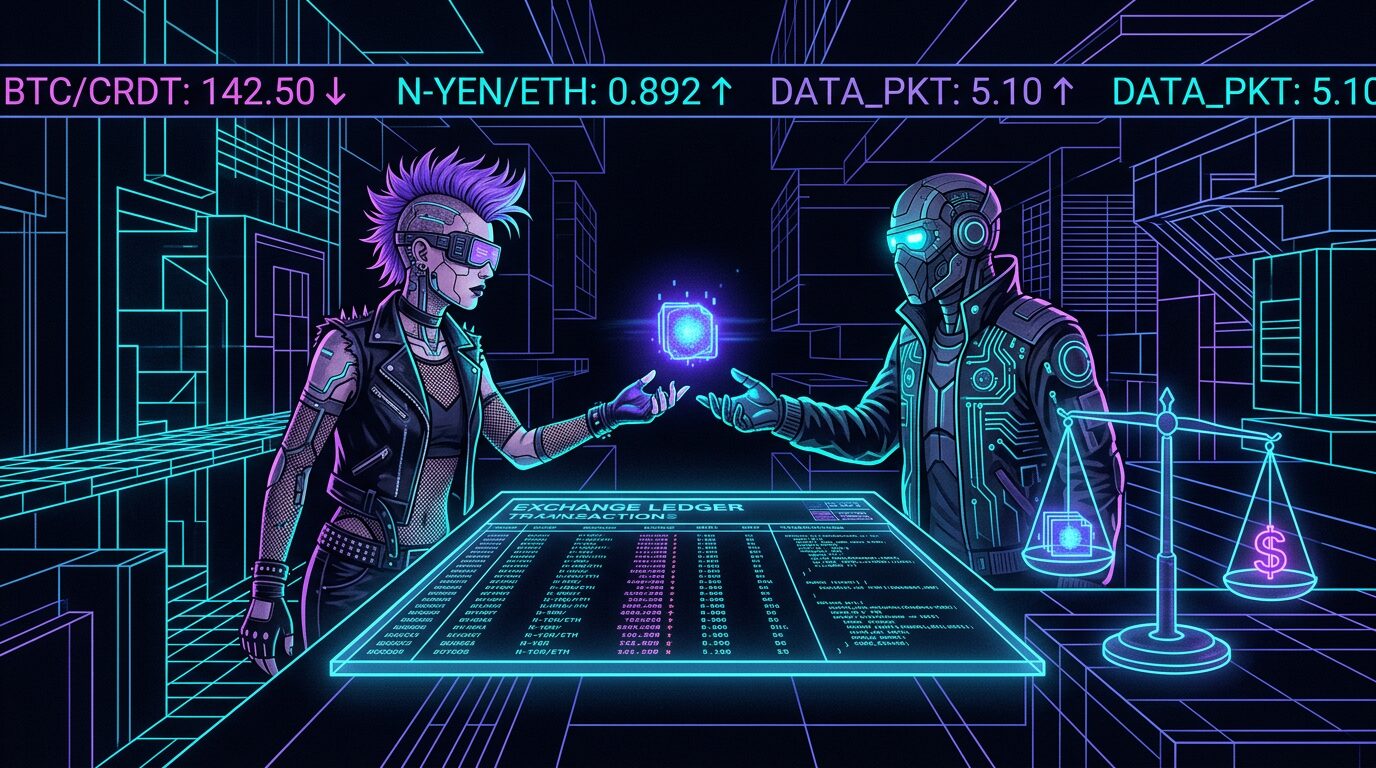
A pricing sandbox models four things: the customer population (segments, budgets, churn behavior), the offer (tiers, bundles, rent-to-own terms), the competition (other vendors in the simulated market), and the constraints (cost to serve, capacity, margin floor). The simulation then runs the model forward under multiple scenarios — slow growth, price war, demand spike — and records what the agents do. The output is not a prediction; it is a distribution of outcomes with the assumptions that produced them (SIM-3, SIM-8).
The tier test
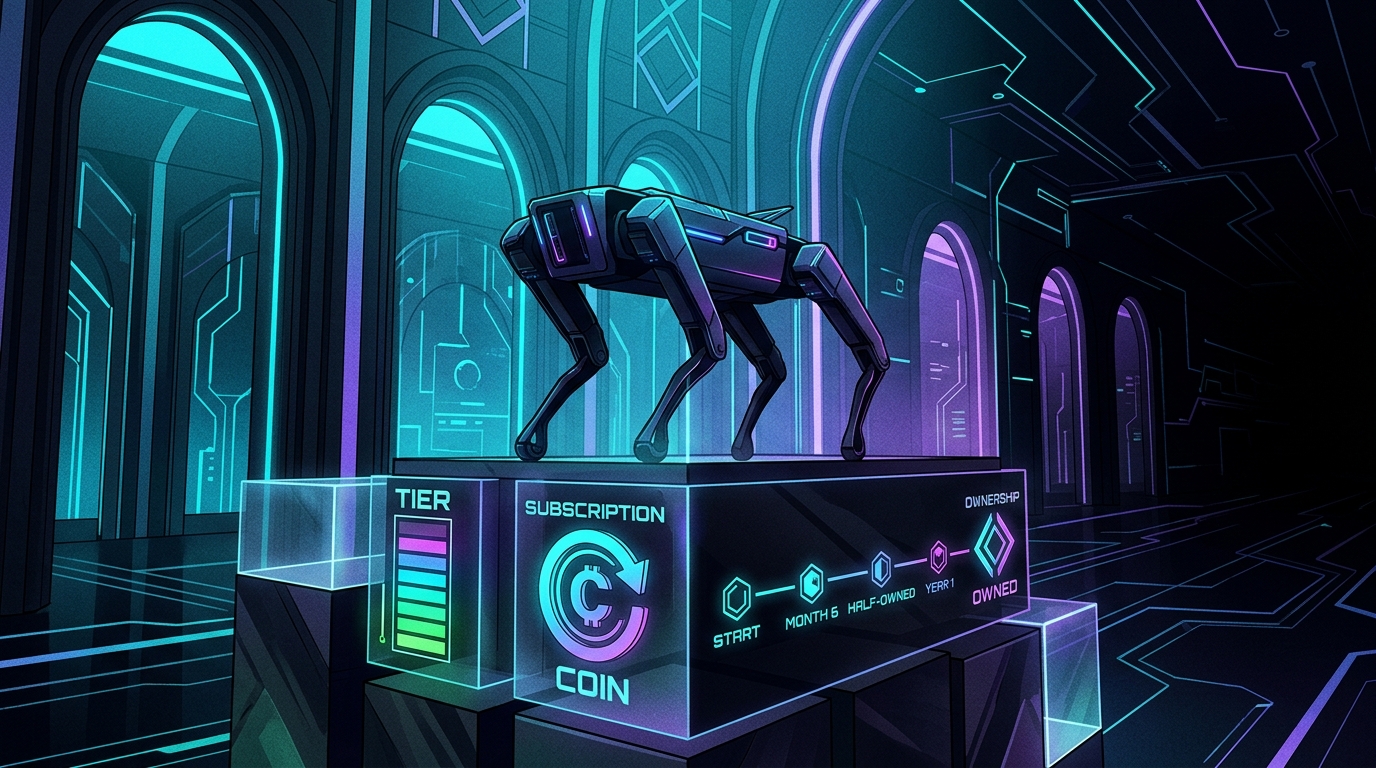
The platonic pricing architecture (S6.8) is a natural simulation subject: the solid-keys tiers (S7.2) define access levels, and the simulation can test where customers actually sit across the tiers. Does the free tier convert? Do the middle tiers hold, or do customers jump from free to the top? Do agents buy capability products (EX-2) or retainers (EX-9)? The answers change the offer before it changes the wallet.
From sandbox to spend
The bridge from simulation to business (BR-224) is the promotion gate: the simulated market earns a canary pilot, the canary earns a real launch, and the real launch carries the simulation’s receipts. Pricing that survived the sandbox is priced with evidence; pricing that skipped the sandbox is priced with hope. The difference is measurable, and the simulation layer is what makes the measurement possible.
Grounded in the SIM series, the S6.8 platonic pricing article, the S6.3 rent-to-own article, and the EX worked-example series. Second article in the Round D simulation track.