
Your Home Security Shouldn’t Need Permission From a Server Farm
Ring knows when you leave for work. Nest has a transcript of your living room. The local police department can request your footage with a form letter and your camera company will hand it over — no warrant needed. This is the state of home security in 2026: you install cameras to feel safe, and in doing so, you hand the keys to your private life to a corporation that treats your data as a product.
The Sovereign Sentry line starts at the opposite end. Hearth Watch is the H1 tier — a $299 starter kit that gives you two cameras, a door sensor, a mesh node, and a hub. No cloud account. No subscription. No third party has ever seen your footage and no one ever will unless you choose to send it.
What’s in the Kit
The H1 Hearth Watch kit contains five components, each designed to do one thing well and talk to the others over a local mesh network:

- 2× The Vigil (Eye) — Matte-black camera nodes running local H.265 encoding. Motion-intent AI runs on-device. Your footage never leaves your LAN unless you explicitly send it.
- 1× The Threshold (Skin) — A slim door/window contact sensor with tilt and vibration detection. Battery lasts 18 months. Mesh node — it relays data even though it’s “just” a sensor.
- 1× The Spine (Bone) — A compact POE/battery mesh router. This is the backbone: mDNS discovery, CRDT state reconciliation, supervision tree, failover routing. If one node dies, its neighbors keep the mesh alive.
- The Hearth (Heart) — The central hub. Local NVR with 30-day retention. Governance controls (what the Sovereign Stack calls the Love Equation — consent-gated access, per-person tiers, audit logs). No account required to operate.
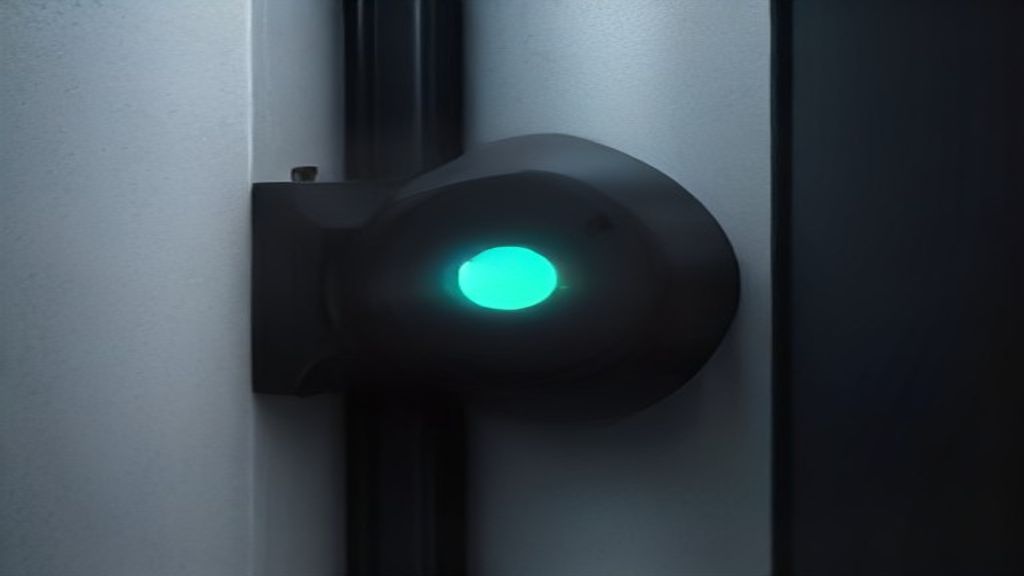
That’s it. Five devices, one purpose: home security without a cloud.
How It Works Without Internet
The mesh network between these devices runs on LAN. No internet required. The Vigil cameras stream to the Hearth hub over your local WiFi or ethernet. The Threshold sensor reports door states through the Spine mesh router. The hub records, indexes, and serves footage to your phone or laptop — all within your home network.
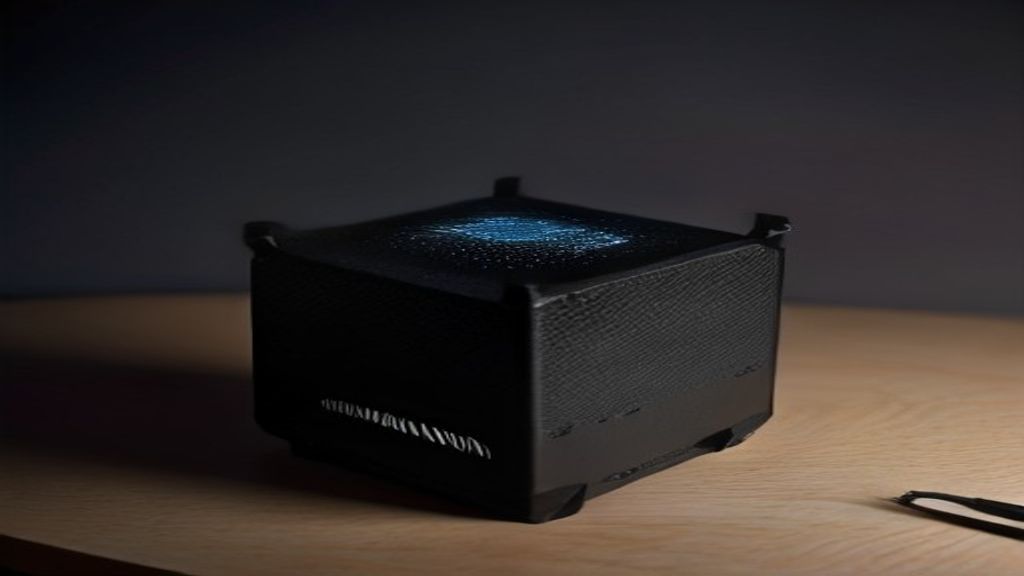
This is the mesh under the mesh — the same architecture that powers enterprise-grade sovereign infrastructure, compressed into a consumer kit. The Spine node runs mDNS for automatic discovery, CRDT for state sync, and a supervision tree that detects when a node goes offline and reroutes around it.
Want remote access? Optional Tailscale integration gives you a secure tunnel to your home mesh from anywhere — but that’s your tunnel, your keys, your choice. The system works perfectly with zero internet. Tailscale is a convenience, not a requirement.
Why “Hearth Watch” and Not “Smart Camera System”
The name matters. A “smart camera system” implies cloud AI, subscription tiers, and a company that knows your face. Hearth Watch implies something older and more honest: a fire on the hearth, someone watching the door. The technology is sophisticated — local AI inference, mesh networking, CRDT state management — but the relationship is simple. You own the hardware. You own the data. The hearth belongs to you.
This is the core of the Sovereign Stack as a product line. Every device in the Eyes & Ears family follows the same principle: the mesh is yours, the keys are yours, the footage is yours. No company can access it. No government can subpoena it from a third party because there is no third party.
For Renters, Apartments, and Anyone Who Needs Privacy Indoors
Hearth Watch is designed for the people traditional security companies ignore:
- Renters and apartment dwellers — No drilling, no permanent installation. The Vigil cameras sit on shelves or magnetic mounts. The Threshold sensor sticks to door frames with adhesive. When you move, the system moves with you.
- First-time home security buyers — The $299 price point makes this accessible. No monthly fees. No contract. Buy the kit, own it forever.
- Women’s safety — Private indoor cameras with consent-gated audio. The Listener ear nodes (available in H2 and above) only activate when explicitly enabled by the householder. No always-on microphones. No ambient recording. The system respects the difference between security and surveillance.
The trust chains in the mesh mean that every device cryptographically authenticates to every other device. There’s no “login with Google” — the mesh itself is the identity layer. Each node carries its own keys, and the Hearth hub enforces who can see what. Your roommate doesn’t get access to your bedroom camera unless you grant it.
What Happens When Something Goes Wrong
Every system fails. The question is what happens next. With cloud-dependent cameras, a server outage means you lose access to your own footage. With Hearth Watch, the restore-first philosophy means your NVR is local, your footage is local, and your recovery runbook is a USB stick you keep in a drawer.
The Spine mesh router handles failover automatically. If one Vigil camera goes offline, the Threshold sensor keeps reporting through the remaining mesh. If the Spine node dies, the Hearth hub takes over routing. The supervision tree detects failures in seconds, not minutes.
And because the entire system runs on local-first, cloud-optional architecture, there’s no single point of failure outside your home. Your neighbor’s internet outage doesn’t affect your cameras. A ransomware attack on a cloud provider doesn’t touch your footage. The mesh is self-healing, self-recording, and self-contained.
The Ring Alternative That Doesn’t Require Trust
Ring’s business model depends on you trusting Amazon with your home footage. The cost of that trust is measured in subpoenas served, data breaches exposed, and employees who can access your feed. Hearth Watch doesn’t ask for trust. It eliminates the need for it.
No cloud. No account. No subscription. No third party. Your home security, your home data, your home rules. That’s the sovereign way.
Hearth Watch — H1 Starter Kit. $299. Zero cloud. Your mesh. Your keys. Your hearth.