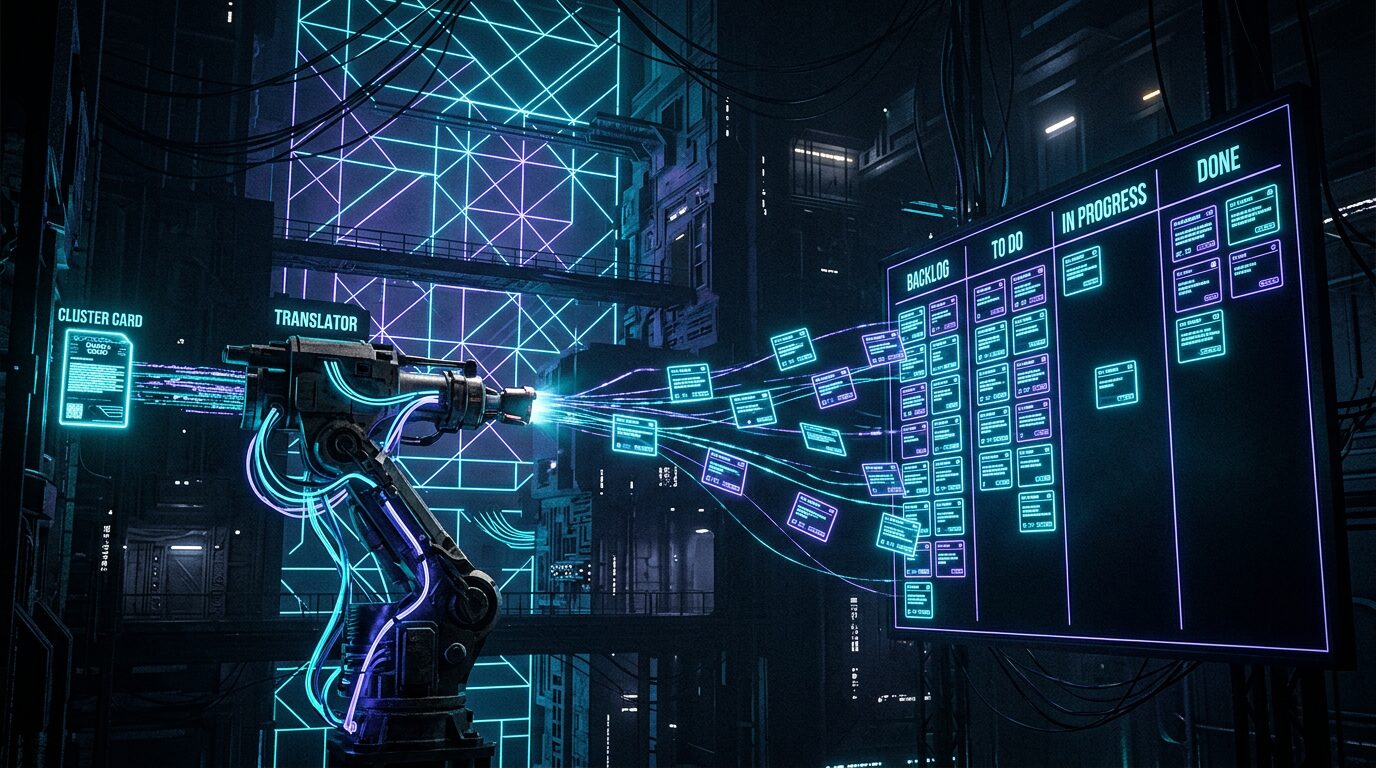
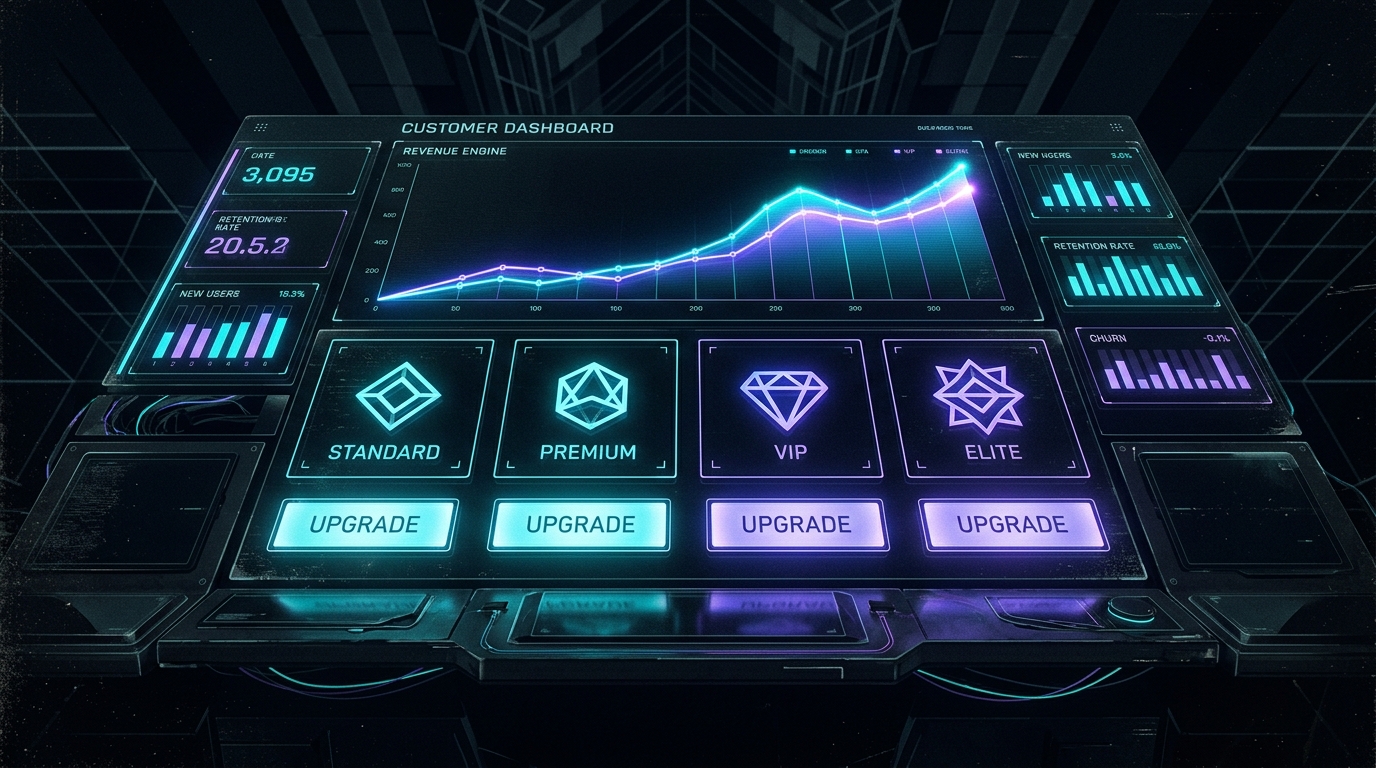
In the era of Web4, the integration of AI agents and digital agents is crucial for optimizing digital business operations and enhancing productivity. Organizations must adopt hybrid models that combine AI's efficiency with human creativity, utilizing tools like the KPI Mega Dashboard for real-time performance tracking. By fostering collaboration within the Digital Ecosystem, businesses can redefine the role of artificial employees while embracing Artificial Intelligence (AI) and Artificial General Intelligence (AGI) as strategic partners in Digital Business Management. Successful implementation of adaptable and scalable frameworks enables agile decision-making, paving the way for innovative solutions in the evolving landscape of Web4 & Industry 5.0.
As we navigate the rapidly evolving landscape of digital business, the emergence of Artificial Intelligence (AI) and Artificial General Intelligence (AGI) has transformed the way organizations operate and interact. With the advent of Web4, businesses are now equipped with sophisticated digital agents and artificial employees that can seamlessly integrate into their operations. However, the success of these AI agents hinges on well-designed schematics and strategic topologies that enable them to function effectively within the digital ecosystem. In this article, we will explore how to create optimal schematics that empower AI agents to thrive in their roles, the various topologies that can facilitate their integration as artificial employees, and the importance of utilizing KPI Mega Dashboards to measure their impact on digital business management. Join us as we delve into the intricacies of positioning AI in the digital landscape, ensuring that industry players leverage the full potential of artificial intelligence and digital agents in this new era of Web4.


In today's rapidly evolving digital business landscape, the integration of AI agents and digital agents is not just a trend but a necessity for achieving operational excellence. As we transition into Web4, characterized by decentralized systems and enhanced interconnectivity, the role of artificial agents is set to transform. These intelligent entities are becoming indispensable components of the digital ecosystem, as they possess the capability to enhance productivity, streamline operations, and improve customer experiences.
To thrive in this new digital business environment, organizations must carefully consider the schematics for integrating AI agents effectively. A clear understanding of the topologies that facilitate the collaboration between human employees and artificial employees is paramount. For instance, a hybrid model, where AI coexists with human employees, can leverage the strengths of both artificial intelligence and human intuition. This topology not only fosters innovation but also empowers organizations to set and track ambitious KPIs through tools like KPI Mega Dashboards, allowing for real-time insights into performance metrics.
Moreover, organizations must shift their perspective on employee roles in the context of a digital ecosystem where artificial roles augment human capabilities. AI can take on repetitive tasks, allowing human teams to focus on strategic decision-making and creative problem-solving. By creating well-defined frameworks for these collaborations, businesses can maximize the benefits of both AI and human resources, ultimately driving efficiency and growth.
As companies prepare for the impact of Web4 & Industry 5.0, developing a robust strategy for AI integration is essential. This involves not only adopting advanced technology but also nurturing a culture that embraces artificial intelligence as a valuable member of the team. With the right approach, AI agents can evolve from being mere tools to becoming strategic partners in the quest for success in the digital business arena.
Designing Effective Schematics for AI Agents: Optimizing Digital Business Management in the Era of Web4
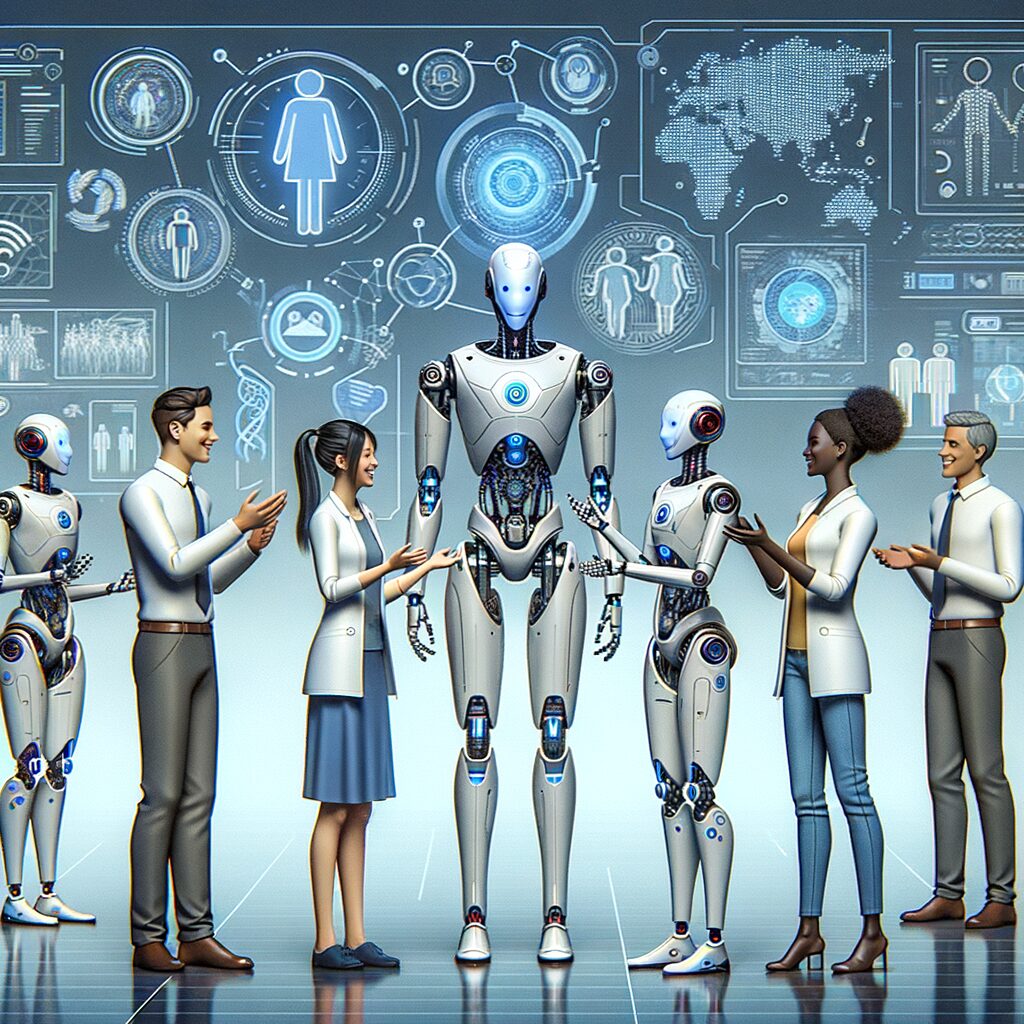
In the rapidly evolving landscape of digital business management, the integration of AI agents has emerged as a cornerstone for optimizing workflows and enhancing productivity. As we transition into the era of Web4, the design of effective schematics for these digital agents becomes paramount. These AI agents must seamlessly fit into the Digital Ecosystem, working in harmony with both artificial roles and human employees to create a balanced and efficient operational environment.

To ensure the success of AI agents in a business setting, organizations must focus on creating adaptable, scalable schematics that facilitate real-time decision-making and performance tracking. The use of a KPI Mega Dashboard can empower businesses by providing insights into key metrics that matter most, thus enabling better management of digital resources. In this context, the deployment of artificial intelligence technologies should be approached strategically, with an emphasis on building robust AI architectures that align with the goals of digital businesses.
Moreover, businesses must consider the different topologies that define the interaction between AI agents and human workers. A hybrid approach that incorporates both centralized and decentralized systems can leverage the strengths of both AI and human decision-making processes. This model encourages collaboration and fosters innovation, ensuring that as we embrace Web4 & Industry 5.0, we cultivate an environment where artificial agents serve as productive partners rather than mere tools.
As the Digital Business landscape matures, the role of AI agents is becoming increasingly sophisticated. The development of advanced artificial agents capable of handling complex tasks will redefine the concept of the artificial employee, allowing organizations to push the boundaries of productivity. By focusing on the effective design of schematics and adapting to the unique demands of the digital landscape, businesses can harness the full potential of AI and AGI technologies, ultimately transforming how digital business management is approached in the age of Web4.

Topologies for Success: Integrating Artificial Employees and Agents into the Digital Ecosystem
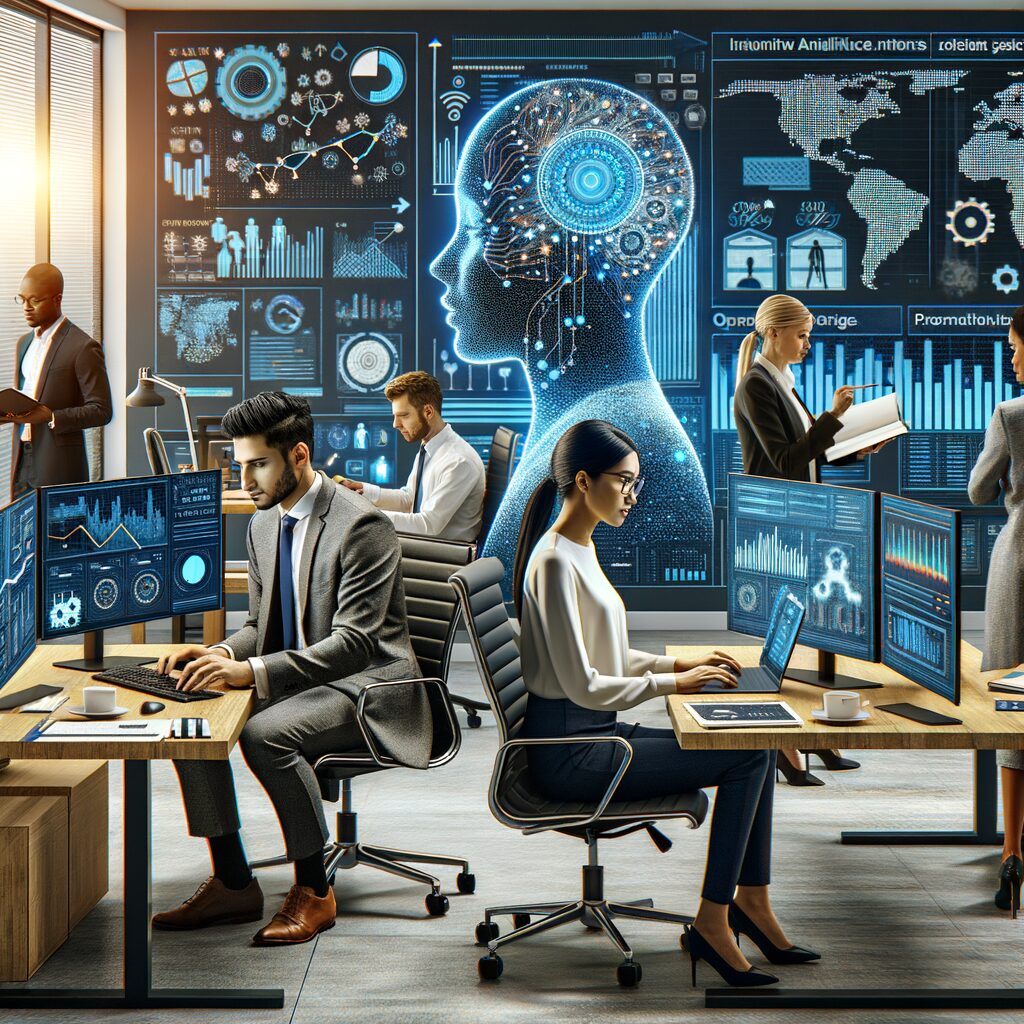
In the evolving landscape of Digital Business Management, the integration of artificial employees and agents is redefining productivity and operational efficiency. As organizations seek to harness the capabilities of Artificial Intelligence (AI) and Artificial General Intelligence (AGI), understanding the topologies that facilitate their success becomes paramount. The Digital Ecosystem is rapidly transforming, and with the emergence of Web4 and Web3 technologies, new frameworks must be established to support the seamless collaboration between human workers and AI agents.
To effectively incorporate digital agents into business processes, organizations should adopt a modular topology. This allows for flexibility, enabling the integration and scaling of artificial roles as business needs evolve. By categorizing AI agents based on their functions—such as data analysis, customer interaction, or technical support—businesses can create specialized clusters within the Digital Ecosystem. Each cluster can operate independently yet remain interconnected, fostering a collaborative environment that enhances overall efficiency.
A hybrid topology is also essential to consider, as it combines elements of centralized and decentralized structures. This approach allows for centralized data management while empowering AI agents to operate autonomously within designated roles. Such autonomy is critical in agile business environments, where timely decision-making is often a competitive advantage. Utilizing tools like a KPI Mega Dashboard can provide real-time insights into the performance of these artificial employees, allowing for data-driven adjustments that align with strategic goals.
Furthermore, the application of advanced algorithms and machine learning within these topologies ensures that AI agents continuously refine their capabilities. By creating a feedback loop between human input and AI performance, organizations can enhance their digital agents, ensuring they evolve in tandem with business demands. This symbiotic relationship lays the groundwork for a resilient Digital Business model, where artificial agents not only support but actively contribute to achieving critical business outcomes.
In conclusion, successfully integrating artificial agents into the Digital Ecosystem requires thoughtful consideration of topologies that promote both autonomy and collaboration. By embracing modular and hybrid frameworks, businesses can harness the full potential of AI and AGI, paving the way for innovative approaches to problem-solving and decision-making in the rapidly advancing world of Web4 & Industry 5.0.
In conclusion, as we navigate the evolving landscape of Web4, the integration of AI agents and artificial employees into our digital business ecosystems is not just a possibility but a necessity for sustained success. The schematics we've explored in this article highlight the importance of designing effective frameworks that are tailored to the nuanced roles these digital agents will play in modern business management. By employing the right topologies, organizations can seamlessly incorporate AI and AGI, ensuring that these artificial roles contribute positively to productivity and innovation.
As we look toward the future, the ability to strategically leverage these digital employees will become a defining factor for competitive advantage. By setting clear KPIs and utilizing tools like the KPI Mega Dashboard, companies can effectively monitor the performance of their digital agents, driving deeper insights and operational excellence. Embracing the potential of artificial intelligence and understanding its role within the digital ecosystem will empower businesses to thrive in an ever-changing environment.
Ultimately, success in this new era hinges on our willingness to adapt schematics that foster collaboration between humans and AI, crafting a workforce that is both efficient and responsive to the dynamic challenges of our time. The path forward is illuminated by innovation and strategic design, setting the stage for a prosperous future in the integrated world of Industry and Web4.