
White-Label Publishing, Worked: Their Brand, Our Pipeline
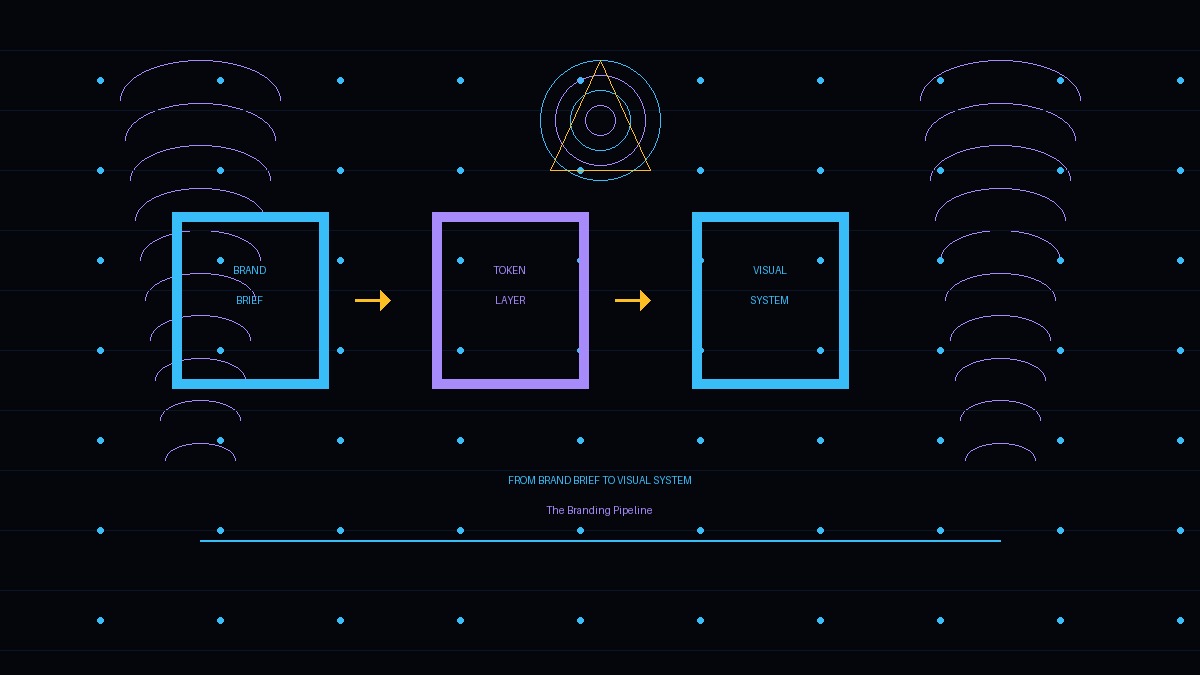
White-label publishing (BR.8) is the content bridge in service form: the client’s brand on the masthead, our pipeline producing the posts. The content engine (S12 series) that publishes lucidhive.com at scale becomes a product — the same machine, pointed at another brand, with the same editorial discipline. This is the worked example: what the client receives, how the pipeline is configured, and why the economics work.
What the client receives
The white-label client receives a publishing operation: a cadence of grounded articles (S10.13), editorial featured images (the studio pipeline, S9.4), proper tagging (S10-20), and a master index of their own corpus. The client never sees the pipeline; they see the published product under their brand. The evidence layer stays intact — the articles are still grounded, cited, and verifiable (S10.14) — so the client’s audience gets the same trust artifacts the kingdom’s own readers get.
How the pipeline is configured
The configuration is a tenant, not a fork: the client gets their own category tree, tag vocabulary, editorial calendar, and brand parameters — while the pipeline, the QA loop, and the publishing discipline stay shared. The tenant isolation is the same pattern as multi-tenancy without multi-panic (S7.14). The client’s brand rules are enforced by the same prompt libraries and style anchors (S9.3) that keep the kingdom’s own visual language consistent (S9.13).
Why the economics work
The economics work because the marginal cost of a white-label tenant is near zero: the pipeline already exists, the skills are already built (EX-2), and the marginal cost is configuration, not construction. The meter (S6.12) bills per post, per month, or per tier — the client pays for the publishing operation, not for the writer’s hours. The white-label service is the skill product (EX-2) in its purest form: the client buys the capability to publish, and the capability keeps producing after the contract is signed.
Grounded in the EX worked-example series, the BR.8 content-to-publishing bridge, the S12 pipeline series, the S9 studio series, and the S7.14 multi-tenancy article. Sixth article in the Round D examples track.