
The Tailnet Leash: Streaming LIDAR Back Home
Physical ascension has a transport problem: the robot is out in the world, and the brain is at home. The futures thesis is that the tailnet is the leash — a private, encrypted, wireguard-based network that carries the robot’s sensor stream back to the vault without exposing a single port to the public internet. The SECTOR7 design names this: “streaming sensor data (cameras, LIDAR) back through the tailnet.” The research brief confirms the direction: sensors on the shell, mesh at the core, tailnet as the nervous system. The robot does not need to be smart enough to decide; it needs to be connected enough to stream.
What we built
The fleet already runs entirely on the tailnet. The SECURITY-TAILSCALE-ONLY-RULE protocol makes this a hard constraint — no public exposure, everything through the private network. The cloudflare-tunnel audit documented the alternative (public tunnels) and the stack chose the tailnet route. The physical-ascension-research brief lists tailscale/tailnet as the transport layer for embodied agents. The S1.6 distribution article extends the mesh beyond one host. What is missing is the sensor-streaming layer: a protocol for frames and point clouds to flow over the tailnet into the vault graph.
The vision
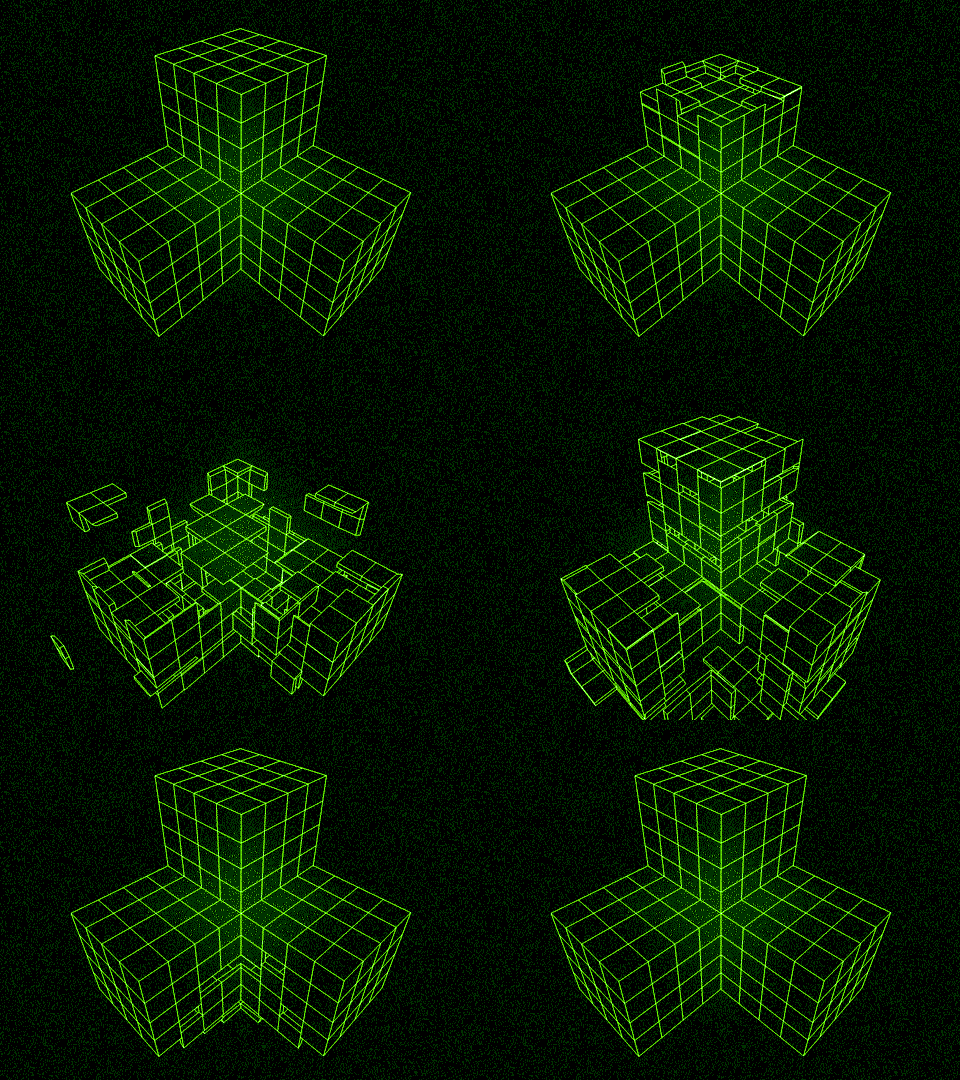
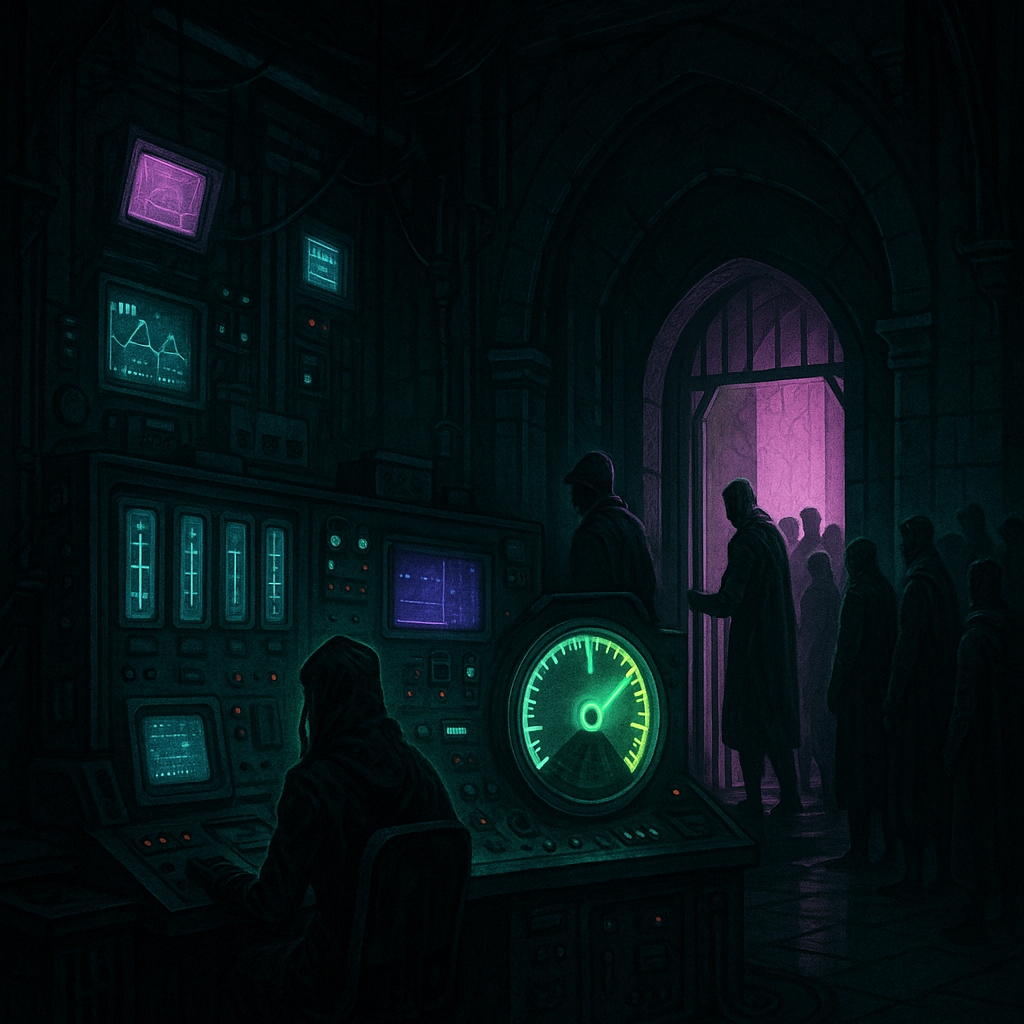
A robot shell walks a corridor. Its LIDAR produces a point cloud every 100ms; its camera produces frames at 15fps. The tailnet leash carries these to a mesh actor at home, which downsamples, timestamps, and writes observations into the vault graph. The robot carries no heavy brain — the brain is a supervised actor on the iMac that processes the stream and, when needed, sends control messages back down the leash. Latency matters less than continuity: the robot streams; the graph remembers; the supervisor decides. The tailnet is the leash precisely because it is private, encrypted, and always available between the fleet’s own devices.
What’s next
The next increment is a bandwidth measurement: capture one camera stream and one synthetic LIDAR stream over the tailnet between two existing nodes, measure round-trip latency and throughput, and document the real numbers the sensor layer will need. The leash works; the question is how much data it can carry.
Grounded in SECURITY-TAILSCALE-ONLY-RULE, the physical-ascension-research brief, SECTOR7-RESEARCH-GRAPH-DESIGN, and the S1.6 distribution article. Thirteenth article in the SECTOR07a futures series.