
The Subscription Ladder, Worked: From Free Tier to Rent-to-Own
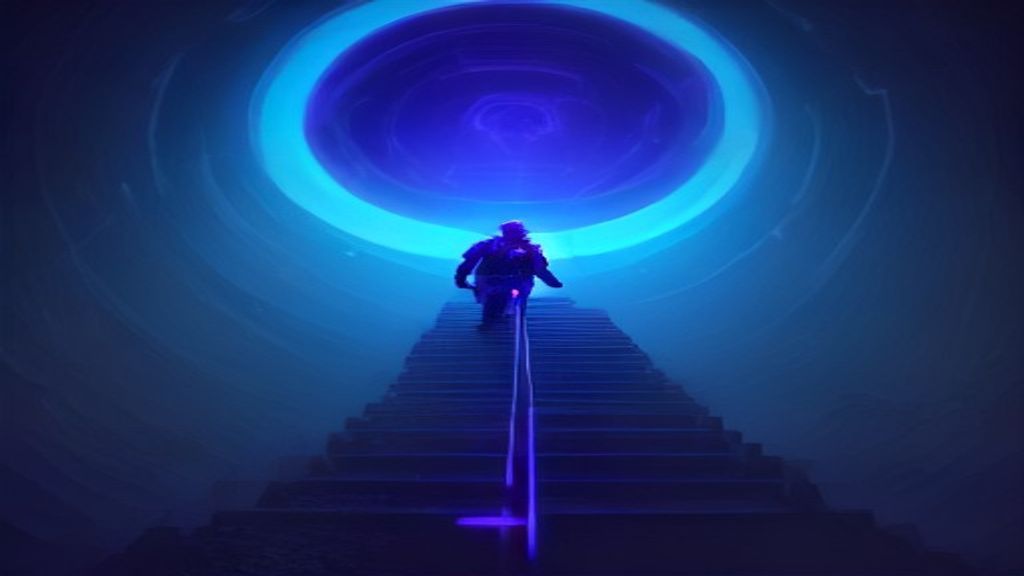
The tiered pricing model (S6.8) described the platonic access architecture; the rent-to-own model (S6.3) described ownership; this is the worked example that connects them — the subscription ladder. The ladder is the client’s path from free tier to full ownership, with each rung a deliberate product decision: free tier (demonstrate value), paid tier (deliver value), skill products (compound value), retainer (retain value), rent-to-own (own value). This is what the ladder looks like in operation.
The rungs of the ladder
Rung one, free: the client gets a limited slice of the stack — the dashboard (EX-3) with a sample of their signals — enough to demonstrate value without a commitment. Rung two, paid: the client subscribes at a tier (S6.8) and the full service runs — metered, evidenced, dashboard-visible. Rung three, skills: the client adds packaged capabilities (EX-2) — a research subscription, a visual retainer (EX-9) — compounding the value of the base tier. Rung four, retainer: the client moves to a standing relationship (EX-10, EX-12) where the stack is their department. Rung five, ownership: the client’s equity crosses the threshold (EX-1) and they receive the keys — owning the stack the ladder was building all along.
Why the ladder works
The ladder works because each rung is a decision point with evidence: the client upgrades because the dashboard shows value, adds skills because the meters show usage, and buys ownership because the rent-to-own ledger shows equity. Every rung is a tested offer — the simulation layer (SIM-2, SIM-4) tests the ladder before launch, testing which rungs convert and where clients stall. The ladder is the platonic pricing architecture (S6.8) made operational: access as a path, not a menu.
The ladder as the business model
The subscription ladder is the sovereign-stack business model in its full arc: acquire (free tier), monetize (paid tier), compound (skills and retainers), and retain (rent-to-own). The worked example shows the rungs are not separate products — they are one journey, designed as a system, tested in simulation, and metered in operation. The ladder is the EX series’ synthesis: every worked example is a rung.
Grounded in the EX worked-example series, the S6.8 tier article, the S6.3 rent-to-own article, the SIM series, and the S6.16 KPIs article. Fifteenth and final article in the Round D examples track.