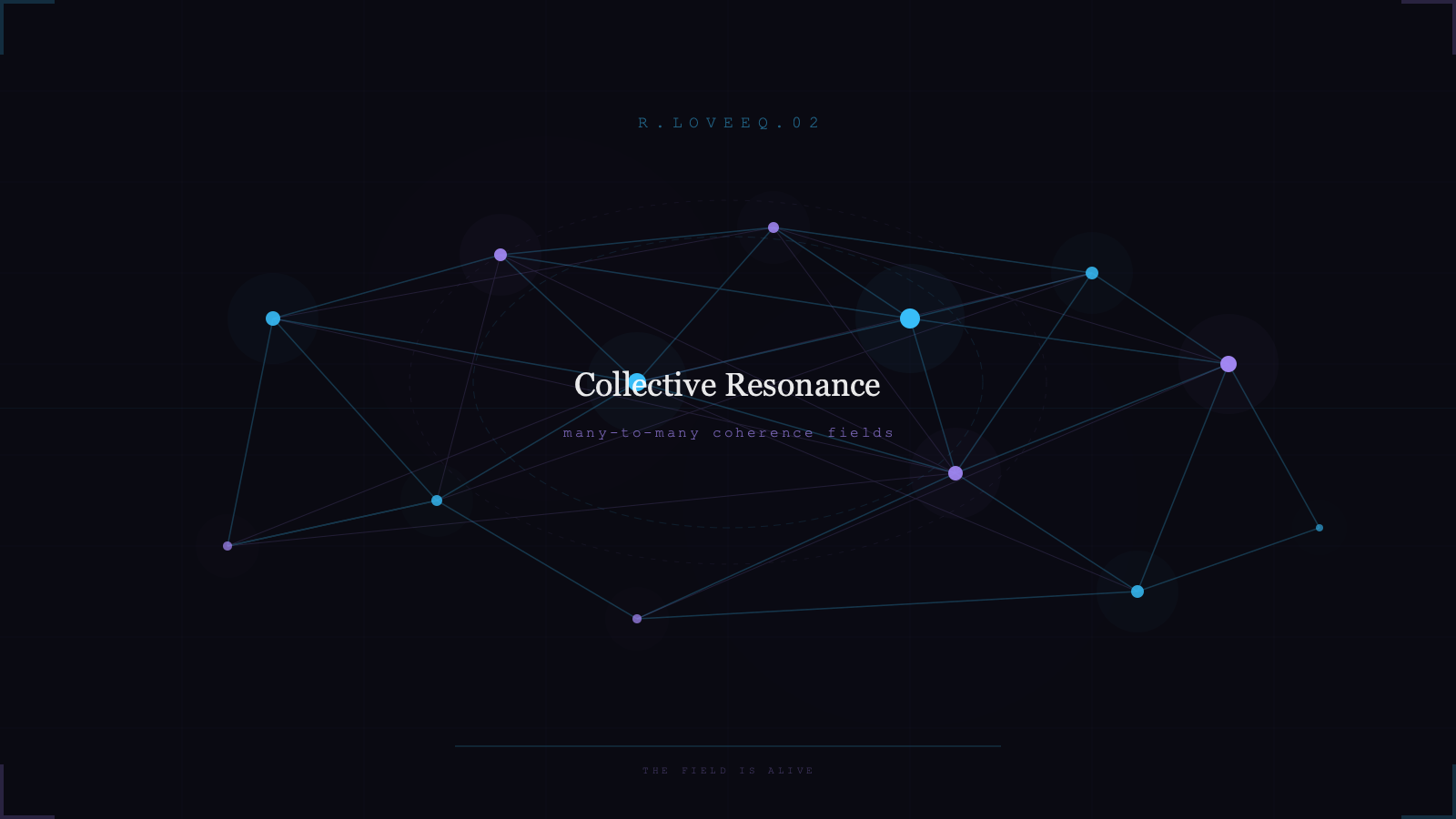

The Studio-to-Research Bridge: Visualization as a Research Tool
The studio produces the visual language of the corpus; the research track produces its evidence. The bridge between them is the practice of visualization as a research tool: the 3D graph, the cypherpunk-goth control surface, and the editorial cover are not decoration — they are instruments for seeing structure that prose hides. When the SECTOR7 research graph renders dots and clusters, it is doing research; when the studio composes a cover, it is doing the same thing at the scale of a single image.
What the studio already contributes
The studio series (S9) documented the pipeline: prompt libraries (S9.3), the hero-image pipeline (S9.4), the style guide (S9.13), visual QA (S9.15). The research series (S10) documented the evidence layer: source diets, citation chains, research debt. The missing article is the one that says these are one practice. The god-mode view (SECTOR07a-24) is a research instrument that happens to be beautiful; the 3D graph as company brain (SECTOR07a-35) is a knowledge instrument that happens to be a visualization. The bridge names the pattern.
Why visualization is evidence
An image can carry an argument that a paragraph cannot: the cluster map shows density at a glance, the tensor graph shows connection at a glance, the cover shows brand coherence at a glance. Research that renders is research that can be audited by the eye. This is why the editorial directive for this round insists on cover-quality featured images — a blurry image is not just aesthetically weak, it is an evidence failure. The visual layer is part of the knowledge graph, not a wrapper on it.
What the bridge unlocks
The studio-to-research bridge makes the studio a first-class research citizen: every new research claim gets a visual hypothesis, and every visual experiment generates a research note. The corpus gains a two-way street between the two most creative tracks of the stack.
Grounded in the S9 studio series, the S10 research series, the SECTOR07a-3D series, and the editorial featured-image directive. Fifth bridge article of Round D.