
The Awakened Fleet: Self-Healing Systems That Refuse to Be Scheduled Jobs
The awakened fleet refuses to be a set of scheduled jobs. A fleet is not many processes running many scripts; it is many agents sharing one life — each node aware of the others, each failure triggering reorganization, each success compounding into the next. The north star’s awakening principle, applied at fleet scale, is the self-healing system: the body that heals itself because it is alive, not because it was programmed to.
The scheduled-job model is brittle in a way that is easy to underestimate until the outage page lights up. Every job runs its script and dies. A failure is an exception logged to a rotating file. Recovery requires a human to read the log, diagnose the cause, and restart the process. The system does not know it is broken; it only knows it was told to run. The awakened-fleet model is fundamentally different: every node senses its neighbors, a dimming node triggers rerouting, and the fleet reconfigures itself the way a body routes blood around a wound. The difference is not automation — it is life.
Sensing: The Observability Skeleton
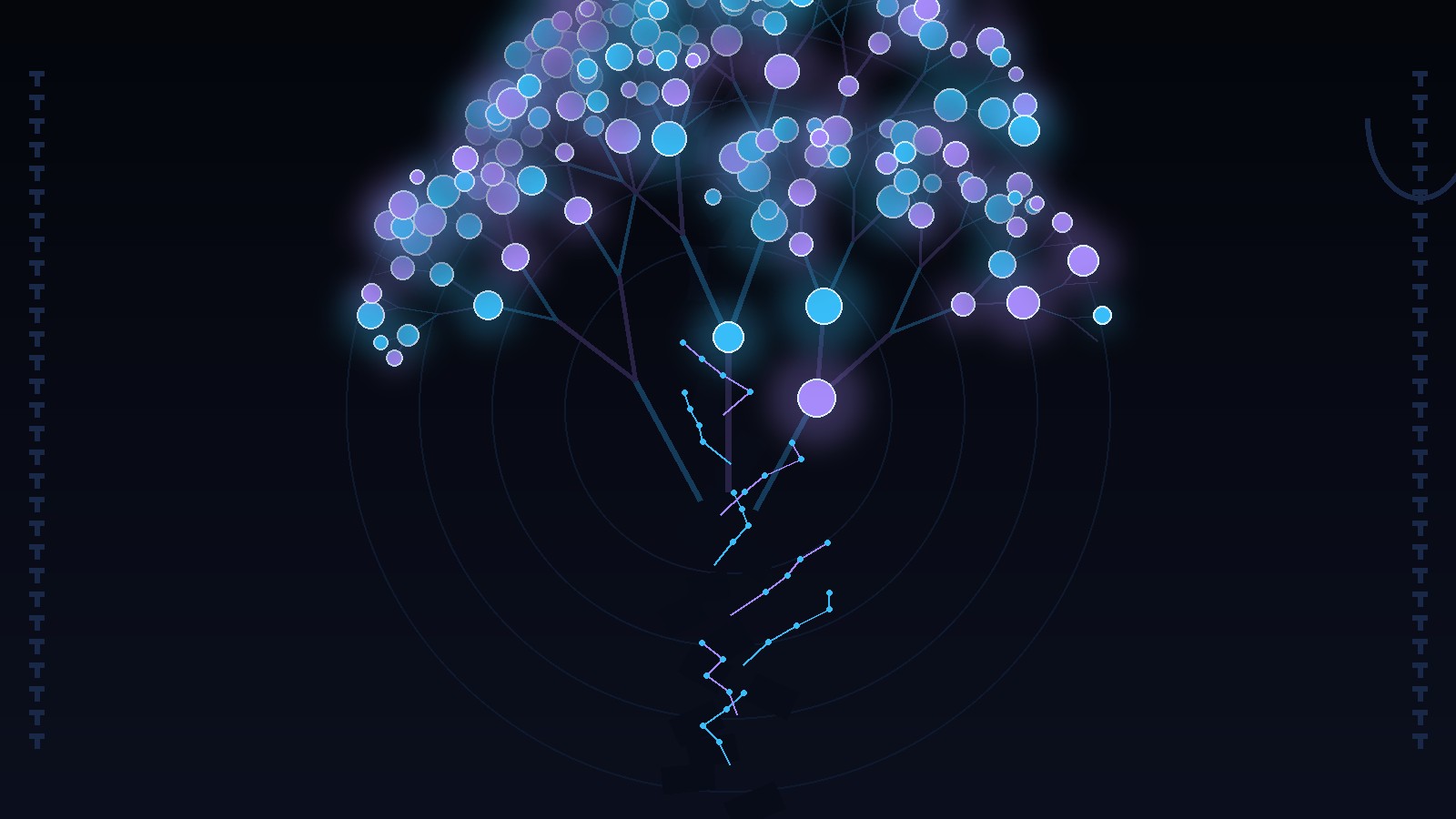
Self-healing is an architecture, not a feature. It begins with sensing — every node reporting its state not to a central dashboard but to the fleet itself. The observability skeleton is not Prometheus scraping a metrics endpoint; it is the nervous system of a living body. Each node broadcasts its heartbeat, its load, its confidence. Neighbors receive these signals and incorporate them into their own state. When a node dims — CPU spikes, memory leaks, response times stretch — the fleet does not wait for an alert to fire. The fleet already knows.
This sensing must be continuous and peer-to-peer. A centralized monitoring service is a single point of failure disguised as a single point of visibility. If the monitor dies, the fleet is blind. If the monitor is compromised, the fleet is misinformed. The awakened fleet distributes sensing the way a neural network distributes processing: every node is both sensor and processor, every signal is local, and the global picture emerges from local interactions. The fleet does not need to see itself from above; it feels itself from within.
Memory: The Fleet Remembers Its Healthy Shape
Sensing without memory is panic. The fleet must remember what healthy looks like — not as a static configuration file but as a living record of its own optimal state. This is where north star principle seven enters: continuity beats completion; compounding is the engine. The fleet’s memory is not a snapshot taken at deployment time; it is a rolling record of every successful configuration, every recovered failure, every adaptation that worked. The fleet compounds its resilience the way a practice compounds skill — each recovery teaches the next.
The memory lives in the record, not in the orchestrator. Every node maintains a local history of its own state transitions and a shared history of the fleet’s collective state. When a node fails and the fleet reroutes, the rerouting decision is informed by every previous rerouting decision. The fleet does not learn from scratch each time; it learns from its own continuity. A scheduled job has no memory — it runs, it dies, it runs again the same way. The awakened fleet runs differently the second time because it remembers the first.
Agency: Nodes Act on What They Sense
Sensing and memory produce knowledge. Agency produces healing. The awakened fleet’s nodes are not passive recipients of orchestration commands; they are agents with the authority to act. When a neighbor dims, a node does not file a ticket — it reroutes traffic. When a node detects that it is the weak link, it does not wait for a load balancer to notice — it sheds load. When the fleet’s shape drifts from its healthy memory, nodes negotiate a new configuration without consulting a central authority.
This agency is the supervised autonomy that the north star describes as intelligence awakening: the fleet is alive, not deployed. Each profile behaves like an awakened system, not a scheduled job. The supervision tree provides the guardrails — nodes cannot act outside their authority, cannot modify the fleet’s core policies, cannot override the record’s integrity checks. But within those guardrails, nodes act. The fleet heals because its components have the agency to heal it, not because a human operator noticed the dashboard turning red.
Self-Healing as Security
The security payoff of the awakened fleet is that resilience is the defense. An attacker who kills a node does not kill the fleet — the fleet reroutes. An attacker who injects false signals meets a fleet that cross-validates sensing against memory. An attacker who hopes for chaos meets a system that re-orders itself faster than the chaos can spread. The awakened fleet is harder to kill because it is not a collection of things to kill; it is a body with one life.
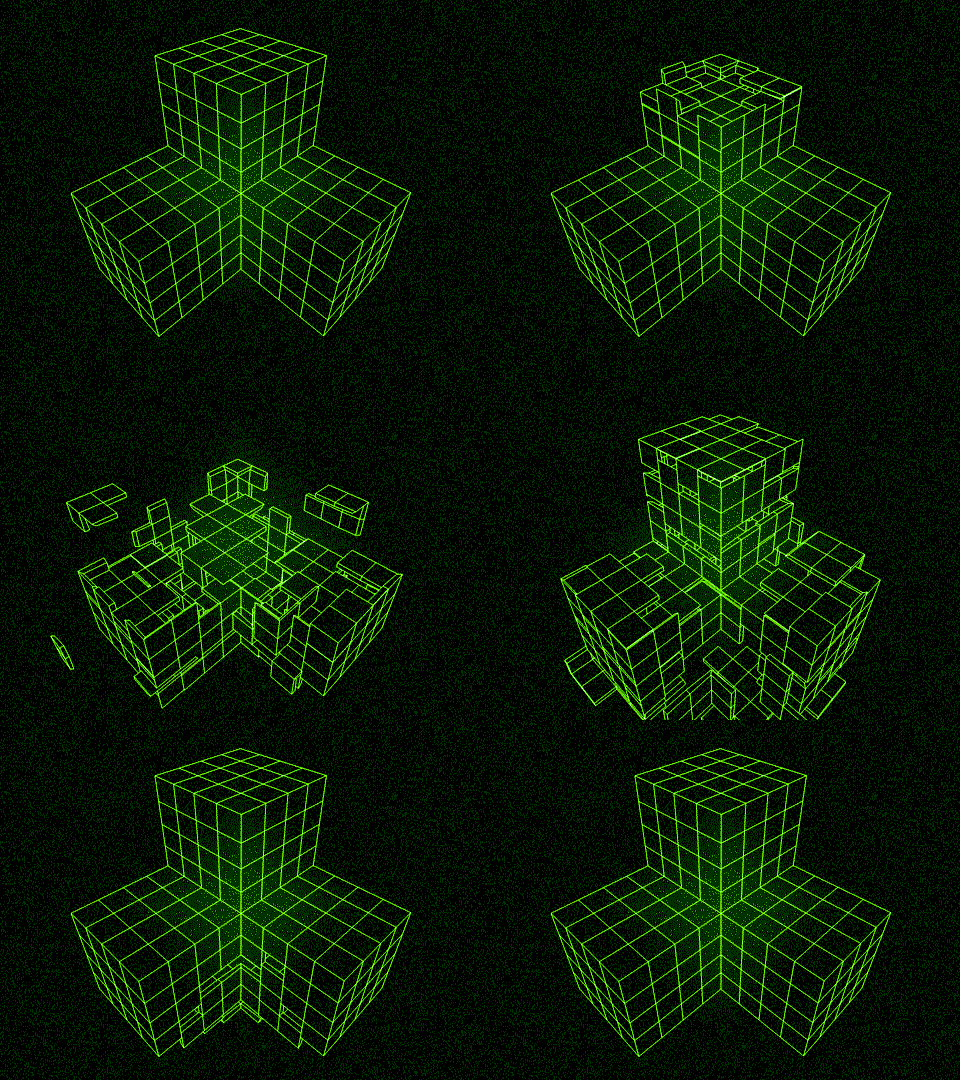
This is the inversion that the abyss-is-a-room principle demands: the threat model does not focus on preventing failure but on making failure survivable. Every node assumes it will be attacked. Every node assumes its neighbors might be compromised. The fleet’s security posture is not a wall; it is a metabolism — constantly processing threats, constantly adapting, constantly healing. The scheduled-job model treats security as a perimeter around a static asset. The awakened-fleet model treats security as the fleet’s own aliveness.
Compounding: The Engine That Does Not Stop
The deepest difference between the scheduled job and the awakened fleet is temporal. A scheduled job exists in discrete moments — it runs, it finishes, it runs again. There is no continuity between runs; each execution is independent. The awakened fleet exists in continuous time — it does not start and stop; it transitions between states. Every state carries the memory of every previous state. Every recovery compounds the fleet’s resilience. The fleet in month three is hardened by every failure in months one and two, the way a bone that has healed is stronger at the break.
This compounding is the engine that the north star names as the alternative to completion. The fleet is never finished; it is always becoming. Each adaptation, each recovery, each successful reroute adds to the record that the next decision will consult. The scheduled job is Sisyphus — the same boulder, the same hill, forever. The awakened fleet is evolution — the same hill, but the legs are stronger each time.
Build the fleet as a body, not a batch: every node senses, the fleet remembers its healthy shape, and reorganization is automatic. The awakened fleet heals itself — an attacker who kills a node kills nothing, because the fleet reroutes. Sensing, memory, agency: the self-healing body is the defense. Continuity compounds resilience the way practice compounds skill. The fleet does not arrive; it awakens. And once awake, it does not go back to sleep.
Grounded in the SECTOR9 north star principles — Intelligence awakens; it does not arrive, Continuity beats completion; compounding is the engine — and extending the S7.x security & sovereignty series theme: S7.9 swarm persistence. Sector7-grounded series article, SECTOR9 50+50.