From Post to Node: How Published Content Feeds the Graph
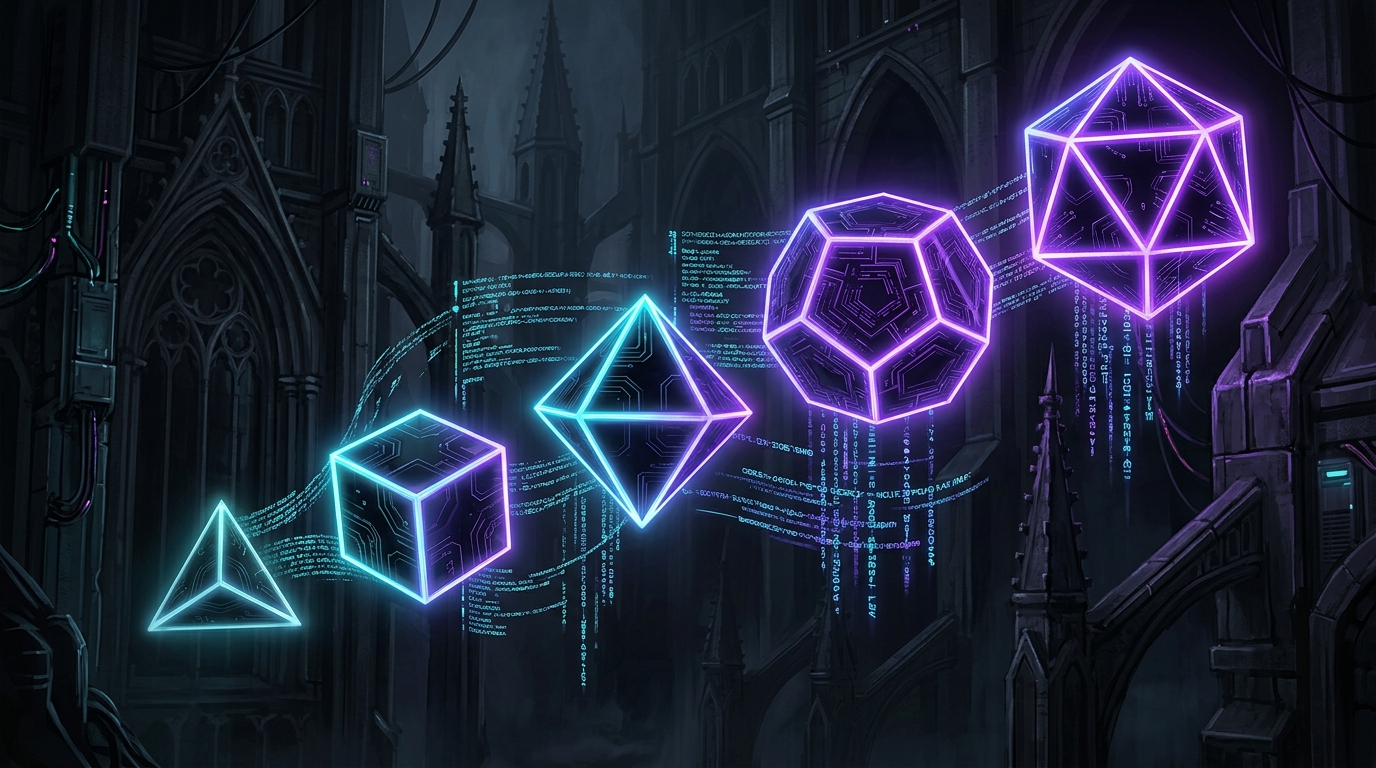
The publish loop documented in S3.7 ends with a post. The futures thesis is that the loop should not end there — the published post should become a new node in the knowledge graph, linked to the entities and concepts it cites, so the corpus grows structurally every time it grows textually. A thousand posts are a library; a thousand posts with edges between them and the vault are a brain. The graph is the company’s actual memory; every published article is a memory written down, and the link-back is the recall path.
What we built
The S3 series built the graph infrastructure: S3.2 (schema: entities, concepts, sources), S3.4 (the index as a query), S3.5 (ChromaDB + Obsidian dual storage), S3.8 (the graph ledger: 269 nodes, 1513 edges). The S3.7 publish loop connects knowledge → article → post → new node — the last hop is documented but thin. The MASTER-INDEX-BRIDGE links every published post back to wiki concepts and skills in its provenance. The S10 articles each carry wiki concepts cited in frontmatter. What is missing is the automatic reverse link: when a post publishes, an actor creates or updates the wiki node for it, links the entities it grounds in, and records the post ID in the graph.
The vision
Every published post gets a node: type article, with the post ID, URL, category, tags, and links to the concepts and entities it cites. The graph query “what articles ground in erlang-actor-mesh-prototype?” returns the full corpus — including this one. The corpus becomes navigable by meaning, not by title search. When the content engine drafts the next article, it queries the graph for the best-connected entities to ground in, so each new post strengthens existing clusters instead of starting new islands. Post-to-node is the mechanism that makes the flywheel compound.
What’s next
The next increment is the node-creation script: after publish, take the post ID and its provenance (concepts, entities, tags), create the wiki article node, and link it. The S3.7 loop has the last hop defined; the script is the implementation.
Grounded in the S3 knowledge-OS series (S3.2, S3.4, S3.5, S3.7, S3.8) and the MASTER-INDEX-BRIDGE linking rules. Twenty-first article in the SECTOR07a futures series.