

This section discusses the evolution of business models from Web3 to Industry 5.0 and the significant changes it brings to the way businesses operate. Web3 focuses on developing a digital ecosystem where data and information are interconnected and easily accessible. Industry 5.0 integrates digital technologies into industrial processes, leading to increased productivity and efficiency. Artificial intelligence plays a crucial role in both Web3 and Industry 5.0, allowing for personalized experiences and AI-powered automation. Embracing these advancements is crucial for businesses to thrive in the digital age.
In today's rapidly evolving business landscape, staying ahead of the competition requires constant adaptation and innovation. As technology continues to advance, businesses must embrace the digital ecosystem and harness its power to drive growth and success. This article explores the migration or upgrading of business models from Web3 to Industry 5.0, highlighting the key differences between these two stages of digital transformation. We will also delve into the integration of artificial intelligence in digital business management, discussing the immense potential it holds for Web4 & Industry 5.0. So, let's embark on this journey of understanding the evolution of business models and uncover the secrets to thriving in the digital age.
- 1. Understanding the Evolution of Business Models: From Web3 to Industry 5.0
- 2. Harnessing the Power of the Digital Ecosystem: Key Differences between Web3 and Industry 5.0
- 3. Embracing Artificial Intelligence in the Digital Business Management: Unleashing the Potential of Web4 & Industry 5.0
Understanding the Evolution of Business Models: From Web3 to Industry 5.0

The evolution of business models from Web3 to Industry 5.0 marks a significant shift in the way businesses operate and interact with their customers and stakeholders. Web3, also known as the Semantic Web or the Intelligent Web, focuses on the development of a digital ecosystem where data and information are interconnected and can be easily accessed and understood by both humans and machines.
In Web3, businesses started to leverage technologies such as artificial intelligence (AI) and machine learning to analyze and interpret vast amounts of data, enabling them to make more informed decisions and provide personalized experiences to their customers. The concept of a digital business management emerged, where businesses could harness the power of digital technologies to streamline their operations, enhance their customer service, and gain a competitive edge in the market.
As businesses embraced Web3, the need for measuring and monitoring performance became crucial. This led to the development of KPI Mega Dashboards, which allowed businesses to track key performance indicators (KPIs) in real-time and make data-driven decisions. These dashboards provided a holistic view of the business and enabled executives to identify trends, spot opportunities, and mitigate risks more effectively.
With the advent of Industry 5.0, business models underwent yet another transformation. Industry 5.0 is characterized by the integration of digital technologies, such as the Internet of Things (IoT), big data analytics, and automation, into industrial processes. This integration allows for the creation of smart factories and the optimization of manufacturing processes, leading to increased productivity, efficiency, and cost savings.
Artificial intelligence plays a crucial role in Industry 5.0, as it enables machines to communicate, learn, and make autonomous decisions. Artificial agents and roles have emerged, where machines can perform tasks traditionally performed by humans, such as data analysis, decision-making, and customer service. The rise of artificial employees, also known as digital workers or virtual assistants, has further transformed the way businesses operate, reducing costs, improving efficiency, and enhancing customer experiences.
Industry 5.0 is not limited to the manufacturing sector; it has the potential to revolutionize various industries, including healthcare, logistics, and finance. The digital ecosystem created by Industry 5.0 allows for seamless integration and collaboration between different stakeholders, resulting in improved supply chain management, enhanced customer experiences, and increased innovation.
In conclusion, the migration or upgrade of business models from Web3 to Industry 5.0 signifies a significant shift in the way businesses operate and leverage digital technologies. The digital ecosystem, digital business management, KPI Mega Dashboards, artificial intelligence, artificial agents, artificial roles, and artificial employees are all key components of this evolution. Embracing Industry 5.0 can unlock new opportunities for businesses to thrive in the digital age and stay ahead of the competition.
Harnessing the Power of the Digital Ecosystem: Key Differences between Web3 and Industry 5.0
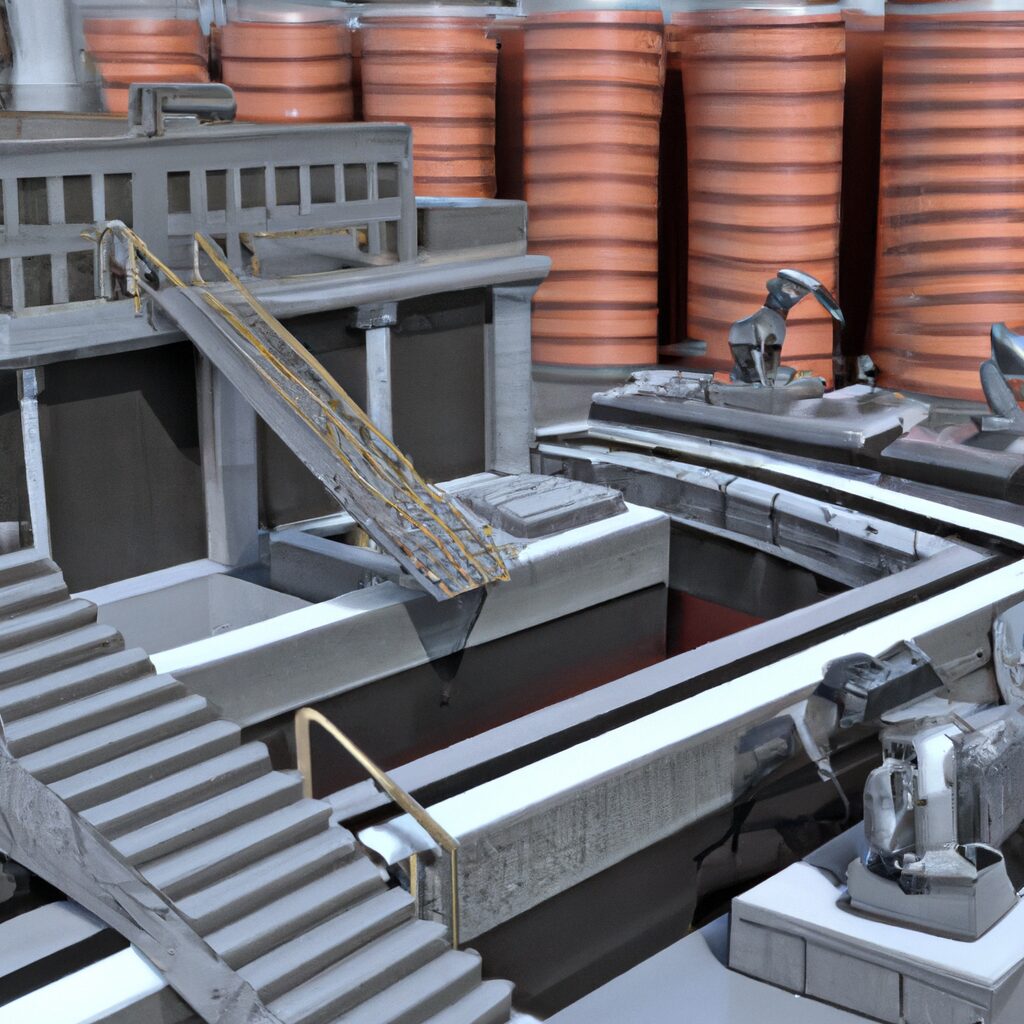
Harnessing the Power of the Digital Ecosystem: Key Differences between Web3 and Industry 5.0
The digital ecosystem has revolutionized the way businesses operate, enabling them to streamline processes, enhance customer experiences, and drive growth. With the advent of Web3 and Industry 5.0, businesses have even greater opportunities to harness the power of the digital ecosystem. In this section, we will explore the key differences between Web3 and Industry 5.0 and how businesses can leverage these advancements to thrive in the digital age.
Web3, also known as the Semantic Web, represents a more intelligent and connected version of the internet. It focuses on machine-to-machine communication, where data and information are structured in a way that enables computers to understand and interpret the meaning behind them. This shift towards a more intelligent web allows for better search engine results, personalized user experiences, and improved data analytics. Businesses can leverage Web3 by implementing digital business management strategies, such as utilizing advanced analytics tools, developing customer-centric KPI Mega Dashboards, and leveraging artificial intelligence (AI) technologies.
On the other hand, Industry 5.0 refers to the fourth industrial revolution, characterized by the integration of digital technologies into manufacturing and industrial processes. It encompasses concepts such as the Internet of Things (IoT), big data analytics, cloud computing, and AI-enabled automation. Industry 5.0 enables businesses to create smart factories and supply chains, where machines and systems communicate and collaborate autonomously. By implementing AI technologies, such as artificial agents and roles, businesses can optimize production processes, reduce costs, and improve overall efficiency.
One of the key differences between Web3 and Industry 5.0 lies in their focus areas. Web3 primarily concentrates on enhancing the digital experience for users, whereas Industry 5.0 focuses on transforming physical industries through digitalization. However, both Web3 and Industry 5.0 are interconnected and complement each other. The data generated by Industry 5.0 can be utilized in Web3 applications to deliver personalized experiences, while the insights gained from Web3 analytics can inform decision-making in Industry 5.0 operations.
Another significant difference lies in the applications of AI. Web3 utilizes AI technologies, such as chatbots and virtual assistants, to enhance user interactions and deliver personalized recommendations. Industry 5.0, on the other hand, leverages AI-powered automation to optimize manufacturing processes, predict maintenance needs, and enable autonomous decision-making. The use of artificial employees in Industry 5.0, such as robotic process automation, further enhances efficiency and productivity.
In conclusion, harnessing the power of the digital ecosystem is crucial for businesses aiming to migrate or upgrade their business model to Web3 and Industry 5.0. Understanding the key differences between these two advancements is essential for businesses to effectively leverage their benefits. By embracing digital business management strategies, implementing AI technologies, and capitalizing on the opportunities presented by both Web3 and Industry 5.0, businesses can thrive in the digital age and stay ahead of the competition.
Embracing Artificial Intelligence in the Digital Business Management: Unleashing the Potential of Web4 & Industry 5.0

Embracing Artificial Intelligence in the Digital Business Management: Unleashing the Potential of Web4 & Industry 5.0
In today's rapidly evolving digital landscape, businesses are constantly seeking innovative ways to enhance their operations and stay ahead of the competition. With the advent of Industry 5.0 and the widespread adoption of web technologies, organizations are increasingly turning to Artificial Intelligence (AI) to revolutionize their business models and drive growth.
One key aspect of embracing AI in digital business management is the development of a robust digital ecosystem. This ecosystem encompasses various interconnected digital platforms, applications, and devices that enable seamless communication, data exchange, and collaboration. By integrating AI technologies into this ecosystem, businesses can leverage its capabilities to analyze vast amounts of data, gain valuable insights, and make informed decisions in real-time.
A central component of AI-driven digital business management is the use of KPI Mega Dashboards. These dashboards provide a comprehensive overview of key performance indicators (KPIs) across different areas of the business, allowing managers to monitor performance, identify areas for improvement, and make data-driven decisions. By harnessing AI algorithms, these dashboards can automatically analyze complex data sets, detect patterns, and provide actionable insights that drive business success.
Another significant aspect of AI integration is the use of Artificial Agents and Roles within the organization. These intelligent software agents can perform various tasks autonomously, such as customer service, data analysis, and process automation. By delegating repetitive and mundane tasks to these AI agents, businesses can free up human resources to focus on more strategic and creative endeavors, ultimately increasing productivity and efficiency.
Furthermore, AI enables the creation of Artificial Employees, which are virtual entities that possess human-like capabilities and can interact with customers and employees. These virtual employees can handle customer inquiries, provide personalized recommendations, and even assist in hiring and onboarding processes. By leveraging AI-powered virtual employees, businesses can enhance customer experiences, streamline operations, and reduce costs associated with human labor.
Web4 & Industry 5.0 represent a new era of digital transformation, where AI plays a pivotal role in reshaping business models and driving innovation. By embracing AI in digital business management, organizations can unlock the full potential of Web4 & Industry 5.0, gaining a competitive edge in the marketplace. However, it is essential for businesses to carefully plan and strategize their AI implementation, considering factors such as data privacy, ethics, and security to ensure responsible and sustainable AI adoption.
In conclusion, the integration of AI in digital business management is crucial for businesses to thrive in the Web4 & Industry 5.0 era. By developing a robust digital ecosystem, utilizing KPI Mega Dashboards, leveraging Artificial Agents and Roles, and deploying Artificial Employees, organizations can harness the power of AI to drive growth, enhance customer experiences, and optimize operations. Embracing AI in the digital landscape is not just a trend but a necessity for businesses to stay competitive and relevant in today's dynamic and rapidly evolving market.
In conclusion, migrating or upgrading a business model to the web and industry 5.0 can bring significant benefits and opportunities for organizations. Understanding the evolution of business models from web3 to industry 5.0 is crucial in harnessing the power of the digital ecosystem. Key differences between web3 and industry 5.0 highlight the importance of embracing artificial intelligence and its potential in digital business management. By leveraging artificial intelligence, organizations can unlock new efficiencies, improve decision-making processes, and enhance customer experiences. The integration of artificial agents, roles, and employees can revolutionize the way businesses operate in industry and web4. It is essential for businesses to adapt and evolve to stay competitive in the rapidly changing digital landscape. By embracing the advancements of industry and web4, organizations can position themselves for success in the digital ecosystem and drive growth through innovation and technology-driven strategies.


