
—
article_id: cl-graph-orphan-entities
series: “S3.11 Adopt the orphans: linking stranded wiki nodes into the graph”
status: DRAFT
category: AI & Automation
tags:
– ai-agents
– digital-architecture
– sovereign-infrastructure
– local-first
– web-4.0
– ai-automation
– council-system
– kanban-orchestrator
– hermes-agent
– autonomous-operations
– knowledge-graph
– wiki-management
– orphan-nodes
– semantic-linking
– graph-traversal
gems: false
grounding:
– north-star: P6 (Transcription is the first act of power), P7 (Everything is a record; continuity beats completion), P15 (The north star is the body-center node)
– SECTOR7 cluster: cl-graph-orphan-entities (orphan wiki entities & concepts with zero inbound links)
—
# Adopt the Orphans: Linking Stranded Wiki Nodes into the Graph
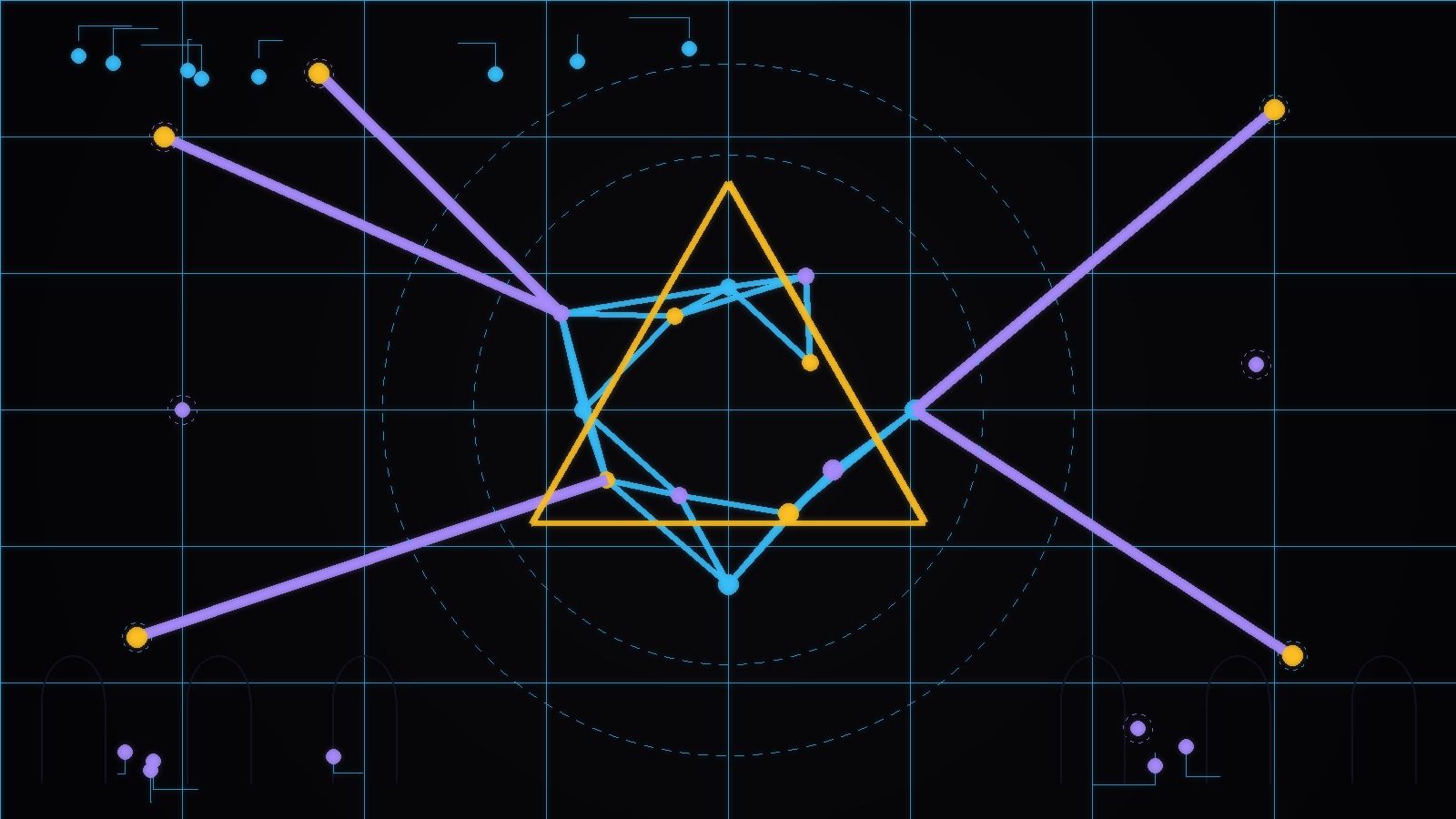
A knowledge graph is only as strong as its edges. A node with no inbound links is a dead end — it exists in the database, it holds information, but no traversal can reach it. It is stranded. In a vault with hundreds of wiki entities and concepts, orphan nodes accumulate quietly. They arrive through research rounds, cluster analyses, and domain deep-dives. They carry real knowledge. But without at least one edge pointing to them from the connected graph, they are invisible to every agent that walks the graph looking for context.
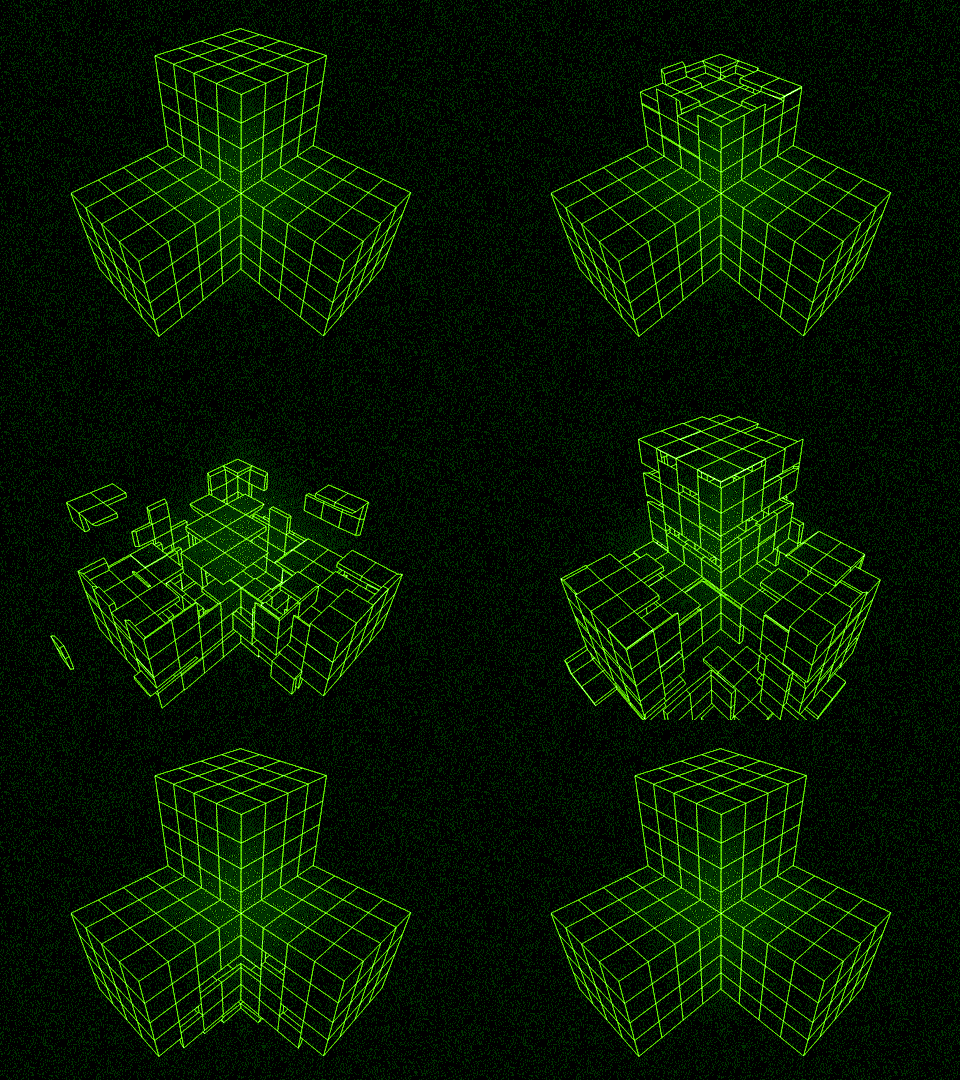
This is the orphan problem. And it is not a cosmetic issue. When an agent builds a research summary, it traverses the graph to find related nodes. When a content pipeline grounds an article in wiki knowledge, it follows edges from established concepts to supporting evidence. When a dashboard queries the graph for coverage gaps, it counts reachable nodes — not total nodes. An orphan node contributes nothing to any of these operations. It is a record that fails the first act of power: transcription without broadcast is silence.
## How orphans form
Orphan nodes arrive in the vault through predictable channels. A research round generates a new concept — say, pricing-contradictions, a node that captures the tension between dynamic pricing models and fixed-tier access architecture. The concept is created, populated with evidence and relationships, and then left in the staging area. No other node links to it because the concepts that would naturally reference it — pricing models, access tiers, revenue dashboards — were written before the orphan existed. The knowledge is real. The graph does not know it.
Other orphans emerge from cross-domain analysis. When a simulation round tests a pricing model against a security constraint, the intersection produces a new concept: the point where two domains meet but neither domain’s existing nodes capture the meeting. Robitaille-helix-arithmetic is exactly this kind of node — a concept born at the intersection of research and technical implementation, carrying knowledge that neither the research graph nor the implementation docs fully own. It sits alone because no one has drawn the line from the existing graph to this new point.
The pattern is consistent: orphans appear at the edges of active work. They are the frontier nodes, the recently discovered concepts that have not yet been integrated into the traversal paths. They are not lost — they are unwired.
## Why orphans matter at scale
At small scale, an orphan is a curiosity. At the scale of a 800+ post corpus backed by a wiki with hundreds of entities and concepts, orphans are a structural debt. Every unreachable node reduces the effective size of the knowledge graph. Every missing edge is a traversal path that returns less context than it should. The agents that walk the graph — the research engine, the content pipeline, the gap reporter — all operate on the assumption that the graph is connected. Orphans violate that assumption.
The impact compounds. A content pipeline grounding an article in “pricing” will follow edges from the pricing concept to its evidence, its related entities, its semantic connections. If pricing-contradictions is orphaned, the pipeline never finds it. The article produced is thinner than it should be — it references the pricing concept but misses the contradictions that would have added depth. The next article in the series builds on the first, inheriting its thinness. Three articles deep, the gap is visible: the series covers pricing without ever acknowledging the tensions within it.
This is the north star principle in action: everything is a record, and continuity beats completion. An orphan is a record that breaks continuity. It exists but does not compound. The graph cannot build on what it cannot reach.
## The adoption protocol
Linking an orphan into the graph is not a single action. It is a three-step protocol: identify, connect, verify.
**Identify.** The gap report surfaces orphan nodes — entities and concepts with zero inbound links. The gap report is itself a graph operation: it queries every node’s inbound edge count and returns those at zero. The orphan list is a living document, updated as new nodes arrive and existing nodes get linked.
**Connect.** For each orphan, the question is: which existing node should link to it? The answer depends on the orphan’s semantic relationships. Pricing-contradictions sells the relationship to pricing models — the existing pricing concept should carry an edge to the new contradictions node. Robitaille-helix-arithmetic sells the relationship to technical implementation — the research graph’s implementation nodes should reference it. The connection is not arbitrary. It follows the semantic relationship that the orphan itself declares. The orphan already knows who its neighbors should be. The graph just needs to draw the lines.
Some orphans resist connection. They represent genuinely isolated knowledge — a concept so specialized that no existing node naturally references it. For these, the protocol offers two options: merge (combine the orphan into an existing node that covers similar ground) or archive (explicitly mark the orphan as a dead end, acknowledging its existence without pretending it is connected). Merge is preferred when the orphan’s knowledge enhances an existing node. Archive is reserved for orphans that represent valid but self-contained knowledge — the record is preserved, but the graph does not pretend it is reachable.
**Verify.** After linking, the orphan’s inbound edge count must be greater than zero. The gap report re-runs. The orphan disappears from the orphan list. The graph traversal now reaches it. An agent building a research summary on pricing will, on its next run, discover pricing-contradictions as a related node and incorporate its evidence. The knowledge compounds.
## What this looks like in the Council
The Council’s implementation makes the orphan problem concrete. The kanban board tracks every task — including graph maintenance tasks like orphan adoption. The research engine runs gap reports on a schedule, surfacing new orphans as they appear. The content pipeline checks orphan status before grounding articles, ensuring that new knowledge enters the graph through connected nodes, not as new orphans.
When a research round produces a new concept, the adoption protocol fires immediately. The concept’s semantic relationships are parsed. Inbound links are created from the nodes that should reference it. The gap report confirms the adoption. The concept enters the graph as a connected node, not a stranded one.
This is the north star principle at the operational level: transcription is the first act of power. A concept that is transcribed into the wiki but not linked into the graph is transcribed but not empowered. The adoption protocol completes the transcription by adding the broadcast — the edge that makes the node reachable, the line that connects the new knowledge to the existing web.
The orphans are not a failure. They are evidence of growth — new knowledge arriving faster than the graph can integrate it. The adoption protocol is not a fix. It is a practice. Every research round produces orphans. Every adoption cycle links them. The graph grows, the knowledge compounds, and the fleet walks a path that gets richer with every step.
—
*Series entry: S3.11 — orphan wiki node adoption in the Council’s knowledge graph. Grounded in the north star principles of transcription-as-power (P6), records-and-continuity (P7), and the body-center topology (P15). For builders of sovereign knowledge systems: a node with no inbound links is a dead end. Link it or lose it.*
## Semantic Relationships
– [[wiki/concepts/pricing-contradictions]] — links
– [[wiki/concepts/robitaille-helix-arithmetic]] — links
– [[sector7]] — orchestrates
– [[knowledge-graph]] — orchestrates
– [[gap-report]] — orchestrates
– [[research-graph]] — orchestrates