
A Thousand Actors, One Host: The Erlang Mesh at Fleet Scale
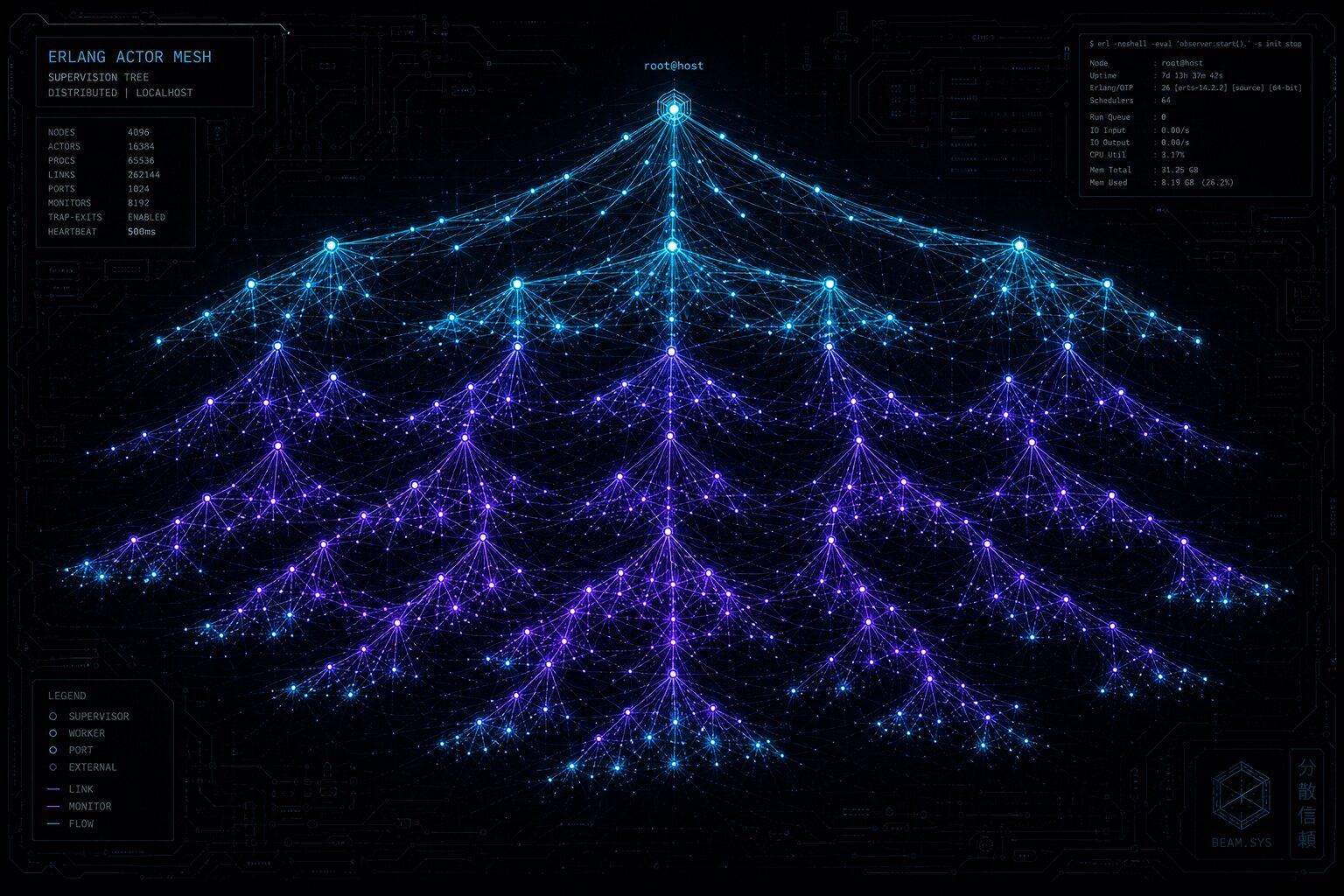
The future of agent fleets is not more machines. It is more actors per machine — thousands of lightweight, supervised, message-passing processes sharing one BEAM virtual machine, coordinated the way Erlang coordinates telephone switches: not by asking processes to be robust, but by accepting that they will crash and letting the supervision tree handle it. This is the thesis that the Kingdom of Truth’s Erlang actor mesh prototype has been testing since the S1 series: a 1000-actor fleet is not a 1000-host problem. It is a scheduling problem, and Erlang solved scheduling forty years ago.
What we built
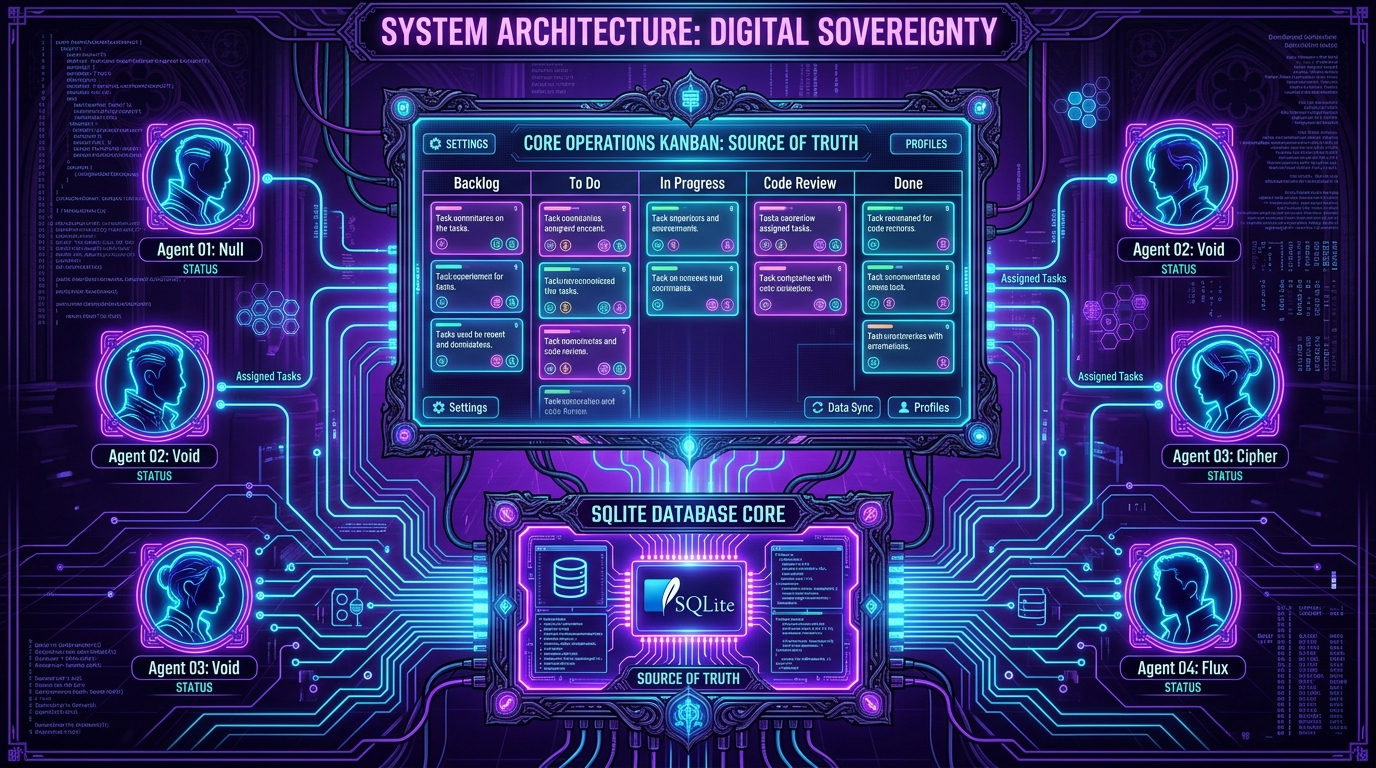
The erlang-actor-mesh-prototype is a real entity in our vault — an MLOps skill prototyping BEAM actor orchestration for multi-profile agent fleets: PIDs, name registries, supervision trees, and {packet,4} framing as the deployment model. The S1 series documented it end to end: S1.4 showed why pipes corrupt and how length-prefixing fixes it, S1.5 demonstrated the shared-port dispatcher carrying 1000 actors without 1000 Python processes, S1.6 extended the mesh beyond one host through Erlang distribution, and S1.8 mapped gen_server patterns onto AI workloads. The Council itself runs on the multi-profile-agent-architecture that this mesh is designed to replace — a fleet of profiles coordinated through one kanban board (S5.2, S5.10), each a heavy LLM-backed process with a full tool surface.
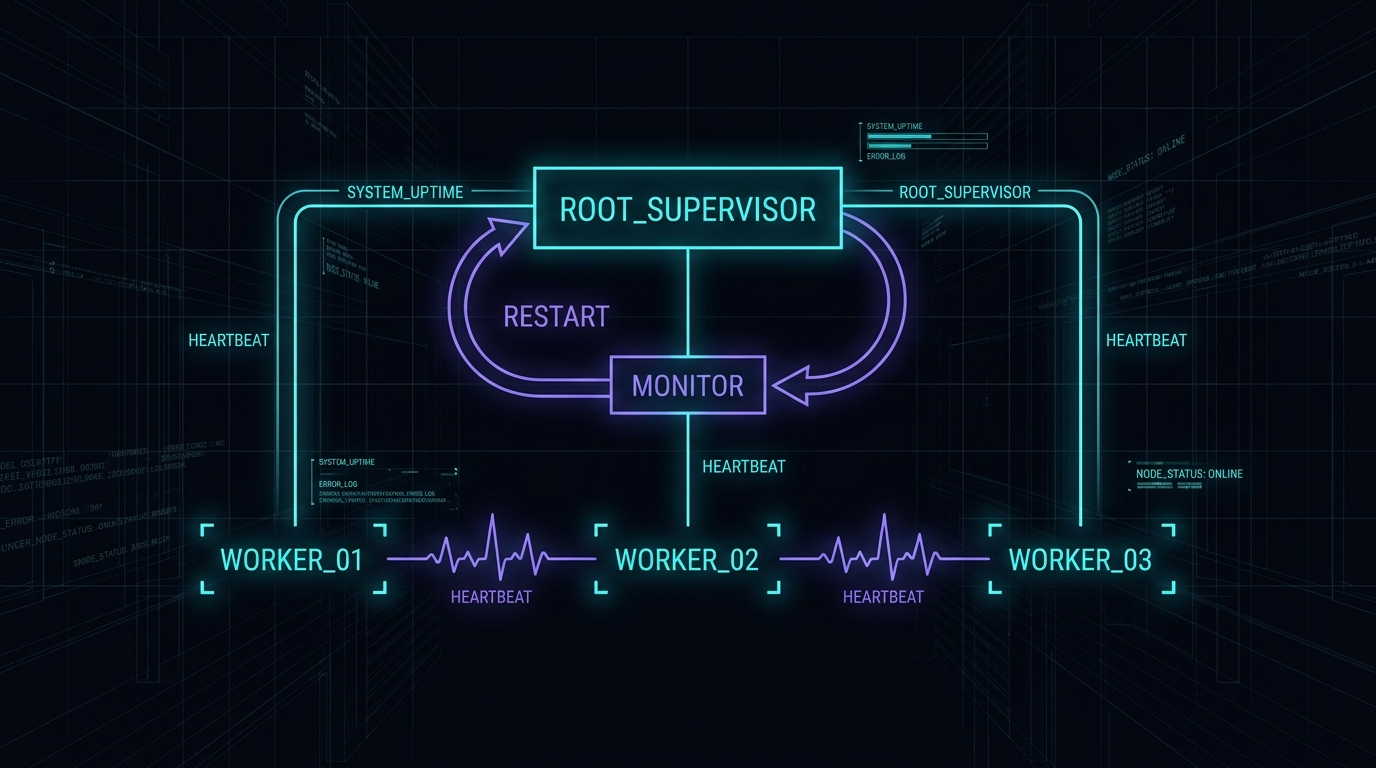
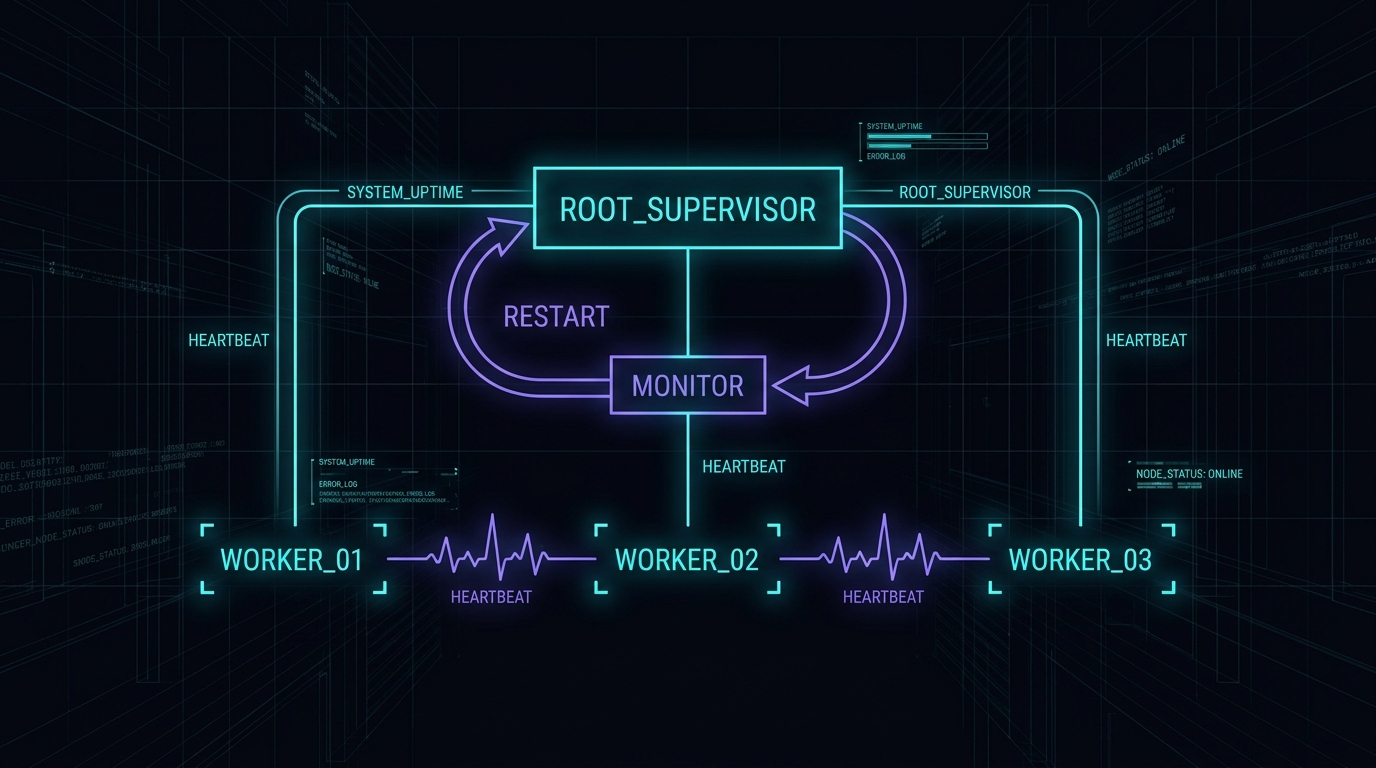
The bridge from today to the thousand-actor future is already visible: the kanban dispatcher spawns workers, claims tasks, heartbeats, and blocks — an actor lifecycle in everything but name. The supervision tree is the missing half: when a worker crashes today, the board re-queues. When an actor crashes in the mesh, its supervisor restarts it with state — or escalates. That is a different reliability class.
The vision
By 2030, a single modest host should run the entire Council: a few hundred actors for the profile fleet, a few hundred more for watchers, cron ticks, dot-engine scanners, and media workers — all supervised, all name-registered, all talking {packet,4} over distribution. The kanban board stops being a database that agents poll and becomes a cluster of actors that agents call. Fleet scale stops meaning “we can afford more servers” and starts meaning “we can afford more actors” — which is nearly free.
What’s next
The next increment is concrete: take the S1.5 shared-port dispatcher and run the Council’s own kanban worker lifecycle inside it — spawn, claim, heartbeat, complete, crash, restart — in a supervised tree under one BEAM node. Then measure: actors per megabyte, restart latency, and how many supervisors a 1000-actor fleet actually needs. That benchmark is the article the S1 series has been pointing toward.
Grounded in vault entity erlang-actor-mesh-prototype, wiki concepts multi-profile-agent-architecture, council-hierarchy-architecture, and the S1 mesh series. First article in the SECTOR07a futures series. Design notes on a running system, not a sales pitch.