

In digital business management, understanding the distinction between Artificial Intelligence (AI) and Artificial General Intelligence (AGI) is vital for enhancing efficiency and innovation within the Digital Ecosystem. AI agents are currently deployed across various industries to optimize processes like customer service and data analysis, while AGI, still theoretical, has the potential to revolutionize interactions and adapt to market changes autonomously. As organizations increasingly leverage tools like the KPI Mega Dashboard, the rise of Artificial Employees illustrates the growing integration of artificial roles. Adopting both AI and exploring AGI's capabilities is crucial for companies aiming to remain competitive in the evolving landscapes of Web3 and Web4.
In an era increasingly defined by technological advancement, the concepts of Artificial Intelligence (AI) and Artificial General Intelligence (AGI) are not just buzzwords; they are shaping the future of digital business management. As we transition into Web4, organizations must navigate the nuanced landscape where AI agents and digital agents play pivotal roles in enhancing operational efficiency, streamlining services, and creating innovative product offerings. Understanding the distinction between AI and AGI is crucial for businesses looking to harness these technologies effectively and remain competitive in the ever-evolving digital ecosystem.
This article will delve into the transformative capabilities of AI and AGI, exploring how they redefine business functions and operations. From optimizing supply chains to enhancing customer interactions, we will examine the capabilities of AI-driven systems versus the broader, more adaptable functionalities of AGI. Additionally, we will discuss the integration of KPIs through mega dashboards, allowing businesses to evaluate their performance in this AI-driven landscape. Join us as we explore the revolutionary impact of AI and AGI on the digital business sphere and their potential to reimagine industry standards.

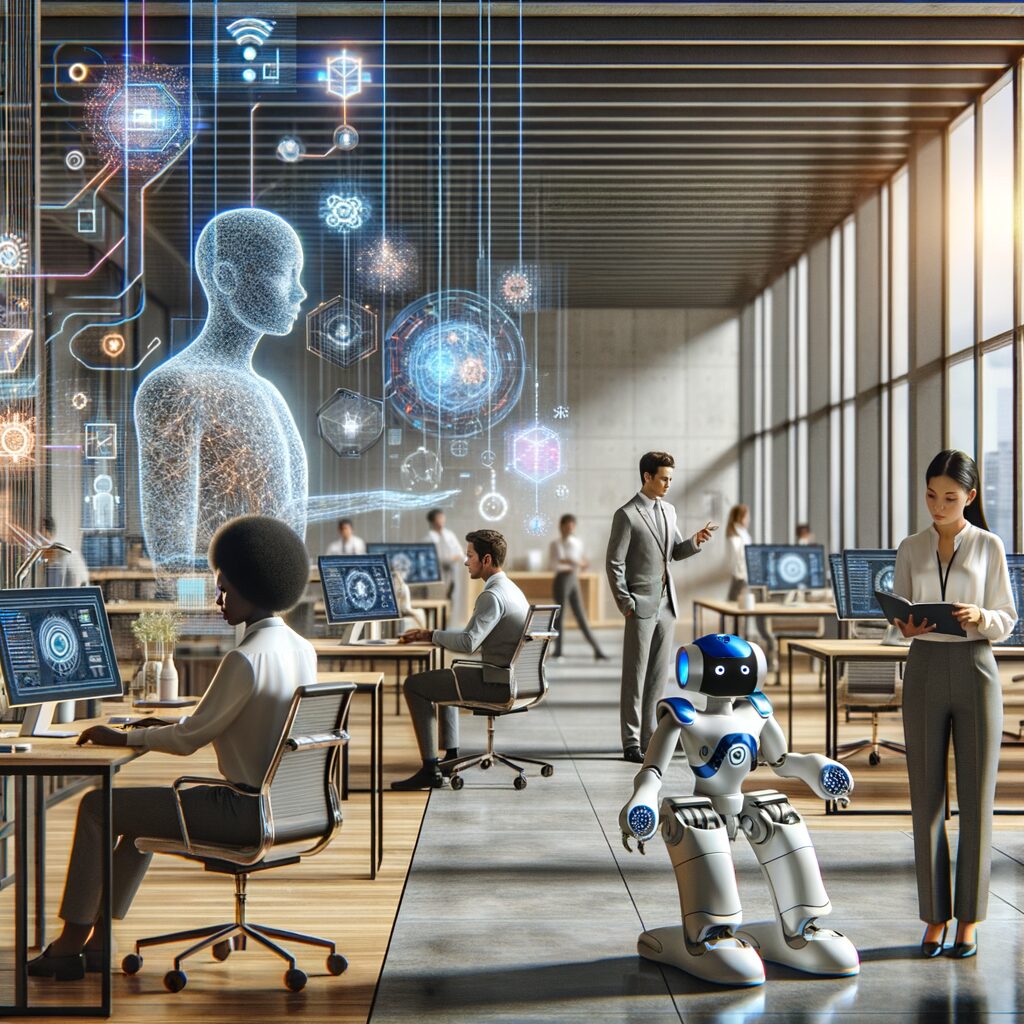
In the rapidly evolving landscape of digital business, the distinction between AI and AGI becomes increasingly significant, particularly as organizations seek to leverage these technologies for enhanced operational efficiency and innovation. Artificial Intelligence (AI), which encompasses intelligent systems designed to perform specific tasks—such as data analysis, customer service, and predictive modeling—continues to transform business processes. AI agents are currently employed across various sectors to streamline operations, manage customer interactions, and optimize supply chains, all of which contribute to a more cohesive Digital Ecosystem.
On the other hand, Artificial General Intelligence (AGI) refers to a level of computational intelligence that aspires to perform any intellectual task that a human can do. While AGI remains largely theoretical, its potential implications for digital business are profound. With the advent of Web4 and advancements in technologies such as Web3, the integration of AGI into business operations could revolutionize the way organizations interact with their environments. Digital agents powered by AGI could potentially oversee complex strategies, adapt in real-time to market demands, and even predict future trends with remarkable accuracy.


In terms of Digital Business Management, the focus is increasingly shifting towards harnessing data-driven insights to evaluate performance metrics effectively. This is where tools like the KPI Mega Dashboard come into play, allowing businesses to visualize their strategic objectives and results. By utilizing AI for monitoring KPIs, organizations can identify patterns and anomalies in performance data, thereby empowering them to make informed decisions swiftly. Moreover, as artificial roles in the workplace evolve, there is a growing interest in artificial employees—systems that can autonomously perform tasks traditionally carried out by humans.
In summary, the interplay between AI and AGI presents fascinating opportunities and challenges for digital business. As organizations continue to adopt AI agents for numerous functions, the potential emergence of AGI could redefine industry standards, creating a new paradigm in the Digital Ecosystem. This transformation is set to not only enhance productivity but also reshape how businesses relate to technology and their customers in the increasingly interconnected world of Industry and Web4.
Understanding AI and AGI: Transforming Digital Business Management in the Age of Web4


In the rapidly evolving landscape of digital business management, the distinction between Artificial Intelligence (AI) and Artificial General Intelligence (AGI) has become crucial for organizations navigating the complexities of Web4. AI, with its diverse array of algorithms and machine learning capabilities, serves as the backbone for numerous digital agents that streamline operations, enhance customer experiences, and optimize decision-making, forming the core of today's digital ecosystem. On the other hand, AGI represents a pivotal shift towards creating machines capable of understanding and learning any intellectual task a human can, thereby revolutionizing how businesses manage their operations and services.
As businesses increasingly adopt AI technologies, the integration of AI agents into everyday processes is transforming traditional roles into dynamic artificial roles, such as artificial employees. These digital agents are designed to work alongside human counterparts, assisting in areas like customer service through chatbots, data analysis via KPI mega dashboards, and predictive analytics that inform strategic planning. This synergy allows companies to harness vast amounts of data resulting from their digital business activities, driving efficiencies that were previously unattainable and aligning with the principles of Web3 and beyond.
In this age of Web4, where interconnectedness and real-time data exchange are paramount, understanding the right applications of AI versus AGI becomes fundamental for any digital business looking to thrive. While AI significantly enhances operational effectiveness through specialized functionalities, AGI’s potential to adapt and learn holistically could redefine entire industries by enabling self-managing systems that optimize themselves in real time. Hence, as organizations delve deeper into the capabilities offered by AI and consider the possibilities of AGI, their approach to digital business management must evolve to harness these technologies within a cohesive digital ecosystem, ultimately driving innovation and competitive advantage in the marketplace.
The Role of AI Agents and Digital Agents in Shaping a Robust Digital Ecosystem

In today's rapidly evolving digital landscape, the interplay between AI and AGI is revolutionizing business operations, fostering the emergence of a robust digital ecosystem. Central to this transformation are AI agents and digital agents, which serve as essential components in enhancing digital business management. Unlike traditional methods, these intelligent systems leverage Artificial Intelligence to automate processes, analyze data, and optimize performance, ultimately driving efficiency and innovation across various sectors.
AI agents are designed to execute specific tasks driven by predefined algorithms, which allows them to handle operations such as customer support, data analysis, and predictive logistics. Their ability to analyze vast amounts of data and extract actionable insights empowers businesses to make informed decisions faster, thereby improving their Key Performance Indicators (KPI) and providing a clearer picture for business leaders through tools like the KPI Mega Dashboard.
On the other hand, digital agents push the boundaries further by engaging in more complex interactions, bridging the gap between user experiences and backend processes in a manner that aligns with the principles of Web3 and Web4. These agents are tailored to fulfill Artificial Roles within organizations, acting as Artificial Employees that can adapt to dynamic market needs and customer preferences. By incorporating machine learning capabilities, they learn from their interactions and evolve, allowing organizations to maintain a competitive edge in a hyper-connected digital ecosystem.
The integration of AI and digital agents facilitates the seamless exchange of information and services, creating a network that enhances collaboration and innovation. This digital ecosystem enables businesses to leverage Artificial Intelligence not only to streamline operations but also to rethink and reshape their product offerings and services, paving the way for a new era in business strategy and implementation.
As we transition into the next wave of digital transformation, the distinction between AI and AGI will become increasingly significant. While AI serves to enhance specific functions within a digital business, AGI has the potential to redefine the landscape by enabling autonomous digital agents capable of performing any intellectual task that a human can do. Businesses that strategically adopt and integrate these technologies into their operations will be better positioned to thrive in an interconnected and rapidly evolving digital environment.
In conclusion, as we navigate the evolving landscape of Web4, the distinction between Artificial Intelligence (AI) and Artificial General Intelligence (AGI) becomes increasingly significant for digital business management. While AI agents excel at automating specific tasks and enhancing operational efficiency, AGI holds the potential to revolutionize entire industries by mimicking human-like understanding and decision-making capabilities. As companies embrace digital agents and artificial roles, the synergy between AI and AGI can create a robust digital ecosystem that not only streamlines processes but also enhances innovation.
Implementing AI solutions, such as KPI Mega Dashboards, can optimize business functions and drive performance metrics in real-time, facilitating data-driven decisions that propel growth. On the other hand, the future potential of AGI could redefine the concept of an artificial employee, taking over complex roles that demand cognitive flexibility and intuition.
Ultimately, the journey of integrating AI and AGI into business operations is not a question of which technology will prevail, but rather how they will coexist and complement each other in a rapidly transforming digital landscape. As digital business leaders, staying ahead of these advancements will be crucial in harnessing their full potential to create sustainable competitive advantages. Embracing this journey will ensure organizations are well-equipped to thrive in the next era of digital evolution, seamlessly blending the capabilities of AI agents with the limitless prospects presented by AGI.



![Title: “Networking Without Limits: Unraveling the Wonders of Mesh Networks”
When creating an attention-grabbing and SEO-optimized article title on the topic of “mesh networks,” it is crucial to strike a balance between being concise, informative, and intriguing to attract readers while effectively conveying the essence of the article. This title draws inspiration from the insights provided in a scholarly article that emphasize the importance of optimizing titles for visibility and discoverability, indicating that the title is the vital element that can capture readers’ attention [[1]]. By incorporating words like “Networking Without Limits” and “Unraveling the Wonders of Mesh Networks,” this title not only hints at the innovative nature of mesh networks but also sparks curiosity and interest among readers, as suggested by the need for a hook to grab their attention [[3]]. Additionally, considering the significance of posting frequency in enhancing content visibility, an attention-grabbing title like this can further contribute to increasing traffic and engagement with the article [[2]]. Overall, by using a combination of enticing language and SEO-friendly strategies, this title effectively communicates the topic of “mesh networks” while intriguing readers and enhancing the article’s visibility and discoverability.](http://lucidhive.com/wp-content/uploads/7674-title-networking-without-limits-unraveling-the-wonders-of-mesh-networks-when-creating-an-attention-grabbing-and-seo-optimized-article-title-on-the-topic-of-mesh-networks8221.jpg)

